Concept
Who Am I If My Identity Is Built on What Others Think
who am I if my identity is built on what others think of me, people pleasing Christian, identity in Christ, approval of others, fear of what people think, what did Jesus say about seeking approvalIntro
If one comment can make your day and one silence can ruin it, your sense of self may be resting on other people's opinions. That is a tiring way to live, and it is very common. Jesus named the hunger for human approval directly, and He offered a steadier place to stand: the Father who sees you, values you and calls you His child.
See this page's graph and discover linked topics
In full
The question names a modern struggle with an ancient root: a self whose worth rises and falls with the regard of others, now amplified by social media metrics, workplace reviews and family expectations. The main text is John 5:44, where Jesus asks religious leaders in Jerusalem how they can believe while they "receive glory from one another" and do not seek "the glory that comes from the only God." The Greek doxa (see G1391 - doxa) means glory, reputation or honor, the weight a person carries in others' eyes. John later observes that some rulers believed in Jesus but kept quiet, "for they loved men’s praise more than God’s praise" (John 12:43). Jesus' teaching on secret giving and prayer (Matthew 6:1-6) pushes the same way: the Father who sees in secret is the audience that counts. This page applies those texts in three steps: worth that comes from God's creation and care (Imago Dei, Matthew 10:29-31), belonging that comes from being received as God's child (John 1:12, Luke 15:20-24), and a life lived before the Father's eyes. Christians differ on how to describe identity (some stress union with Christ, some adoption, some the image of God), but these emphases fit together, and none makes worth depend on human applause.
The struggle
You post something and check it every few minutes. You replay a conversation at night, wondering if they thought you were stupid. You say yes to things you do not want to do because you cannot stand the idea of someone being disappointed. You are a slightly different person at work, at church and at home, and some days you are not sure which one is real. Underneath it all is a quiet question: If they stopped approving of me, would there be anything left?
What Jesus said
How can you believe, who receive glory from one another, and you don’t seek the glory that comes from the only God? (John 5:44, WEB)
Jesus says that living for one another's approval actually blocks faith. When human opinion is the scoreboard, it is hard to receive what God says about you.
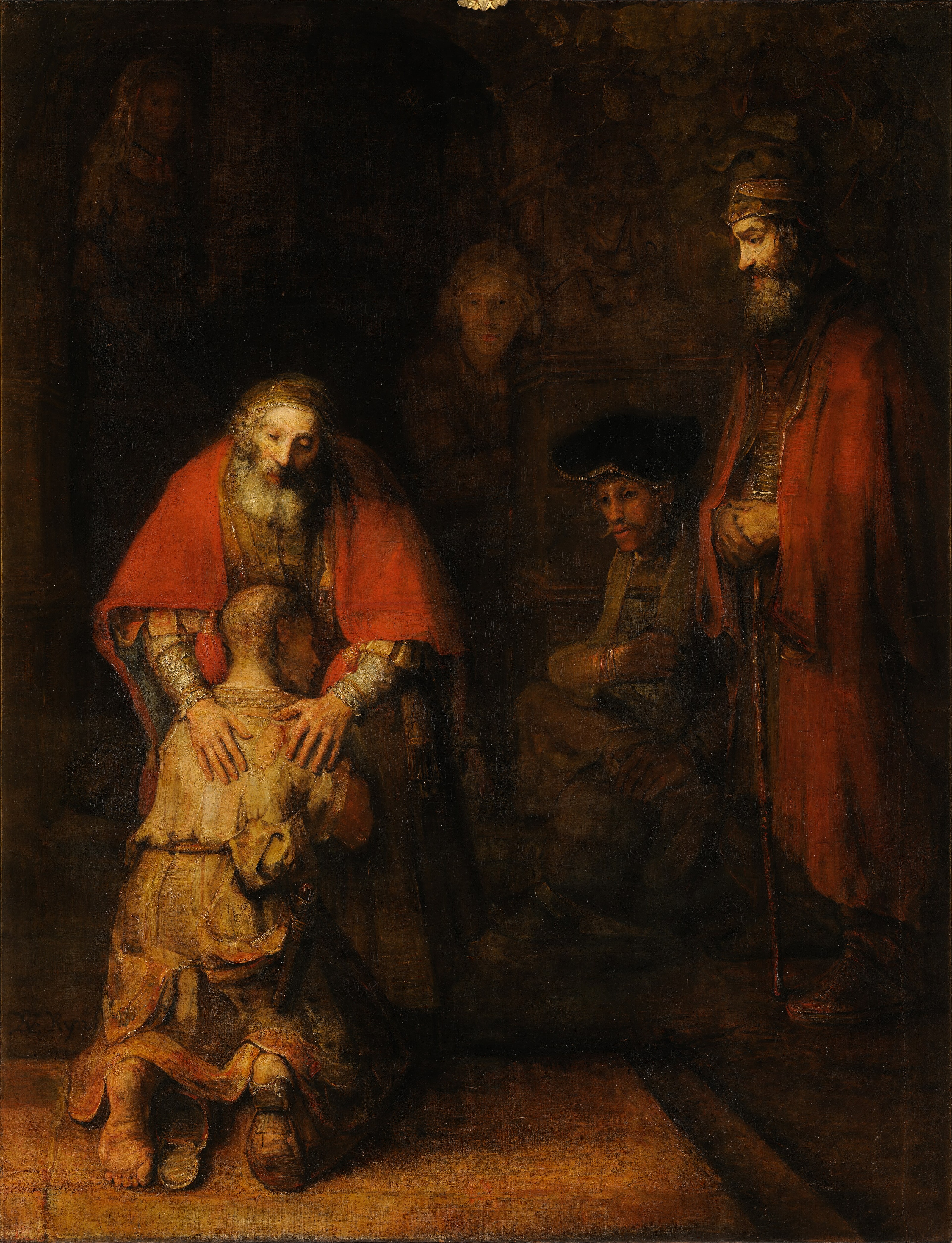
The Return of the Prodigal Son by Rembrandt, about 1668, State Hermitage Museum, Saint Petersburg. In Jesus' parable (Luke 15:11-32) the son comes home hoping to be a hired servant, and the father restores him as a son. Public domain (Wikimedia Commons), resized.

The setting
John 5 takes place in Jerusalem at a feast. Jesus had healed a man who had been ill for thirty-eight years at the pool of Bethesda, on a Sabbath (John 5:1-9). The religious leaders objected, and Jesus answered with a long defense of His authority as the Son sent by the Father (5:17-47). Near the end He turned the question back on them. They honored each other's titles and reputations, and that system of mutual honor made it hard for them to welcome someone who came with only His Father's approval (5:41-44).
These were respected, learned men, and their standing depended on being seen as faithful. John 12:42-43 shows the cost: some leaders believed in Jesus but would not say so, for fear of being put out of the synagogue. The approval of their peers mattered more to them than God's. See the passage pages John 5.44 and John 12.43.
What this means today
This is application, drawn from the texts above.
- Your worth was set before anyone voted. Jesus said the Father notices every sparrow, and "the very hairs of your head are all numbered... You are of more value than many sparrows" (Matthew 10:30-31). People are made in God's image (Genesis 1:27), which gives a value no comment section can give or take away. See Imago Dei and Biblical Dignity.
- God's welcome comes before your performance. At Jesus' baptism, before His public ministry began, the Father said "You are my beloved Son, in whom I am well pleased" (Mark 1:11). That word belongs uniquely to Jesus as the eternal Son, and John adds that those who receive Him are given "the right to become God’s children" (John 1:12). In the parable the returning son rehearses a speech about being a hired servant, and the father interrupts it with a robe, a ring and a feast (Luke 15:21-24).
- Live for an audience of One. Jesus told His followers to give, pray and fast in secret, because "your Father who sees in secret will reward you openly" (Matthew 6:4). Practicing hidden faithfulness is one of the best ways to loosen the grip of human approval.
Common misunderstandings
- "So I should not care what anyone thinks." Jesus cared deeply about people, and He wants His followers to be honest, kind and trustworthy in others' eyes (Matthew 5:16). The problem He names is letting their opinion become your foundation. Listening to wise feedback is healthy; needing applause to feel real is the trap.
- "Identity in Christ means my feelings of worthlessness will disappear." Sometimes those feelings ease quickly. Often they fade slowly as truth is practiced, and some people need counseling to untangle old wounds. If the sense of being worthless has turned into despair or thoughts of self-harm, please call or text 988 in the US to reach the Suicide and Crisis Lifeline, any hour.
- "Christians should never think about themselves." Jesus told people to love their neighbor as themselves (Mark 12:31). A healthy, God-given sense of self is part of loving others well.
- The hard objection: "God's opinion is just another person whose approval I have to earn." This is the deepest version of the fear. The answer in the Gospels is that God's welcome is given and received. The tax collector who could only say "God, be merciful to me, a sinner!" went home justified (Luke 18:13-14). God's acceptance comes as a gift to people who know they cannot earn it.
Put it into practice
- Today: Notice the moments you check how others are reacting to you. Each time, say quietly, "Father, You see me."
- This week: Do one good thing in secret, telling no one and posting nothing, as Jesus taught in Matthew 6:1-4.
- With someone else: Ask a friend you trust what they see in you that has nothing to do with your achievements or appearance. If people-pleasing is wearing you down, consider talking with a pastor or Christian counselor.
A prayer for today
Father, I have been living for other people's approval, and I am tired. Thank You that You made me, You know me, and You welcome me as Your child through Jesus. Help me rest in what You say about me. Teach me to love people without needing them to complete me. In Jesus' name, amen.
Reflect and respond
- Whose approval do you find yourself chasing most often right now?
- What does God say about you that you find hardest to believe?
- What is one thing you could do this week only for your Father who sees in secret?
Talk it over
Many people, inside and outside the church, wrestle with building their identity on what others think. Share in the discussion below what has helped you find solid ground, or ask what you are still wrestling with.
See also
- Life's Hard Questions, the full series
- Why Am I Anxious If I Trust God, when fear of others' opinions turns into anxiety
- Why Trust Christianity When Christians Are Hypocrites, when religious performance has hurt you
- Imago Dei, the image of God and human worth
- Biblical Dignity, the dignity Scripture gives every person
- G1391 - doxa, glory, honor and reputation in the New Testament
- John 5.44, the key verse
- Luke 15.11-32, the father who restores his son
Common questions this page answers
Q: What did Jesus say about seeking the approval of others?
In John 5:44 Jesus asked how people could believe while they received glory from one another and did not seek the glory that comes from God. He also taught His followers to give and pray in secret, because the Father who sees in secret rewards them (Matthew 6:1-6).
Q: How do I stop being a people pleaser as a Christian?
Start by rooting your worth in what God says: you are made in His image and, through Jesus, welcomed as His child. Then practice small acts of hidden faithfulness and honest boundaries, and talk with a trusted friend or counselor if the pattern runs deep.
Q: What does it mean to have my identity in Christ?
It means your worth and belonging rest on God's creation, love and welcome through Jesus (John 1:12), so they do not rise and fall with other people's opinions.
Q: Is it wrong to care what other people think?
Caring about others and listening to wise feedback is good, and Jesus wanted His followers' good works to be seen (Matthew 5:16). The danger is letting human approval become the foundation of who you are.