Concept
Skeptics & Atheists
Famous Atheists, Famous Skeptics, Atheist Thinkers, Skeptics and Atheists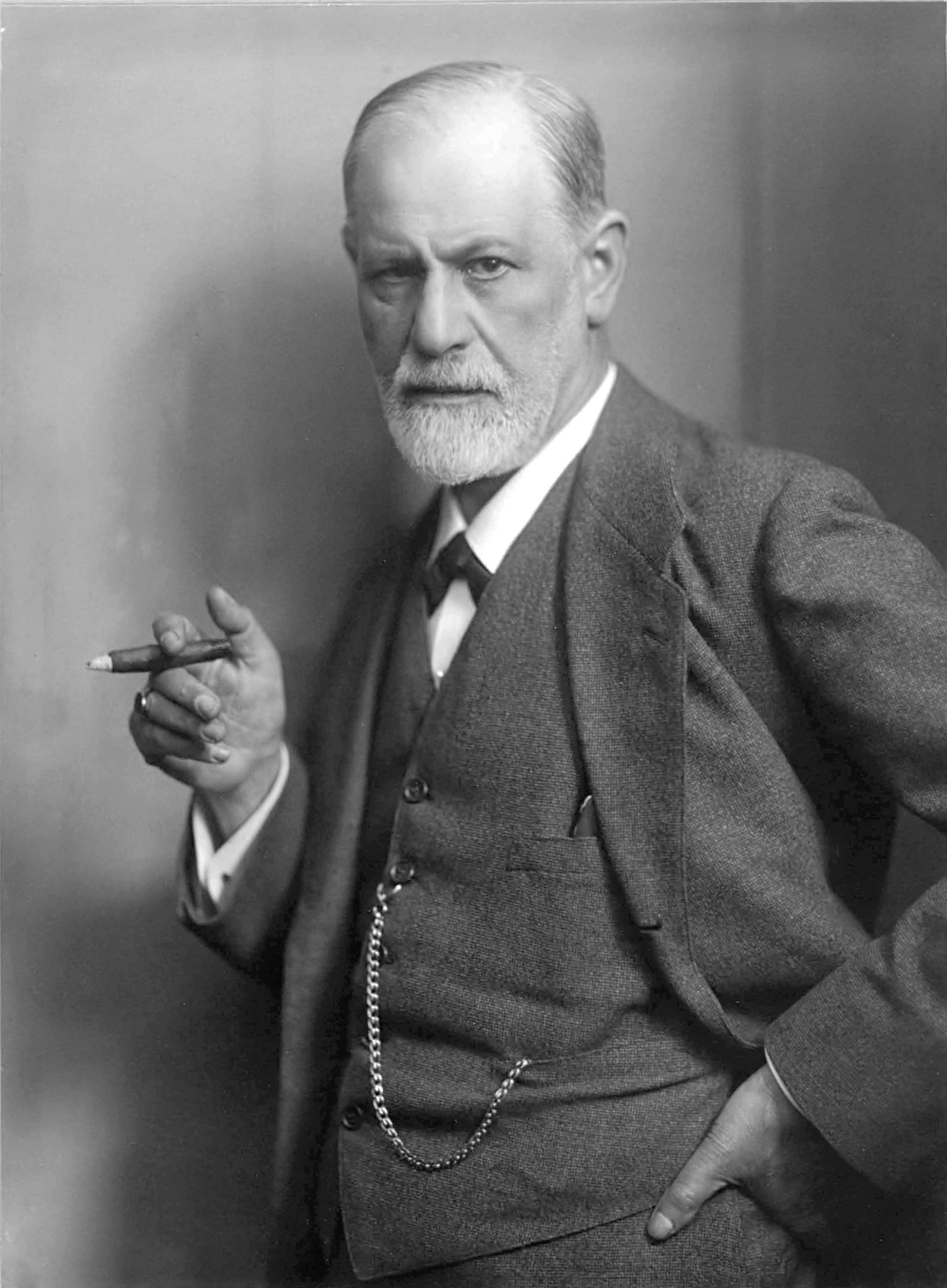
Intro
This page gathers the skeptics and atheists the codex engages most directly: the New Atheist writers, the scientists and scholars who doubt or reject Christianity, and the debaters who challenge it in public. Their objections are serious, many of them are brilliant, and the codex tries to state their case as strongly as they would state it themselves.
They matter for apologetics because a Christian answer is only as good as the objection it has actually met. Reading the skeptic's best argument, in the skeptic's own words, keeps an apologist honest and keeps the conversation human. Each person here is someone to understand and to reason with.
The codex takes a firm line on positions and a gentle one on people. It answers the arguments on their merits and treats every person here with respect. One of them, Antony Flew, changed his mind after fifty years of atheism, a reminder that honest inquiry stays open on every side.
The 30-second version:
This page collects the atheists and skeptics the codex engages: the New Atheists, the scientists and biblical scholars who doubt Christianity, and the debaters who challenge it in public. The codex states each one's case at full strength before answering it, because a reply is only as good as the objection it meets. Firm on arguments and respectful toward persons, it treats every skeptic as a fellow seeker worth reasoning with.
See this page's graph and discover linked topics
In full
Folder hub for the skeptics and atheists in the codex's people layer. Entries are grouped by the kind of challenge each person raises: the New Atheist movement, the scientific and psychological critiques, the historical and textual critiques of the Bible, and philosophical debate. Each line gives a one-sentence orientation drawn from the person's own page, and each page carries the codex's replies.
Many of the most rigorous atheist thinkers are philosophers and are filed under Philosophers: David Hume, Friedrich Nietzsche, Karl Marx, Bertrand Russell, J.L. Mackie and Graham Oppy among them. Atheist and agnostic scientists such as James Watson, Stephen Hawking and Robert Jastrow are filed under Scientists. The objections themselves, sorted by topic, live at Atheist Objections.
The New Atheists
- Four Horsemen: the collective name for Dawkins, Hitchens, Harris and Dennett, taken from their recorded 2007 roundtable conversation.
- Richard Dawkins (b. 1941): Oxford evolutionary biologist, coiner of the meme, and the most recognized popular voice of New Atheism.
- Christopher Hitchens (1949-2011): journalist and essayist whose God Is Not Great became the movement's rhetorically defining text.
- Daniel Dennett (1942-2024): Tufts philosopher of mind, the analytically most serious of the Four, who gave naturalist accounts of consciousness and free will.
- Sam Harris (b. 1967): neuroscientist whose The End of Faith began the New Atheist movement and who is the most serious moral philosopher of the Four.
Science, psychology and society
- Sigmund Freud (1856-1939): founder of psychoanalysis and source of the arguments that religion is wish-fulfillment and God a projected father-figure.
- Francis Crick (1916-2004): co-discoverer of the DNA double helix, author of the central dogma of molecular biology, and a lifelong materialist.
- Sean Carroll (b. 1966): Johns Hopkins physicist and the most scientifically credentialed contemporary critic of the cosmological arguments.
- Phil Zuckerman (b. 1969): sociologist and founding chair of Secular Studies at Pitzer College, known for the secular-flourishing thesis.
The Bible and the historical Jesus
- Bart Ehrman (b. 1955): UNC New Testament scholar and textual critic, trained as an evangelical, and one of the most widely read critics of New Testament reliability.
- Joshua Bowen: Johns Hopkins-trained Assyriologist and former Pentecostal, co-host of Digital Hammurabi, and the most credentialed popular critic of the Old Testament.
- Jaaron Wingo: independent author of Christ Before Jesus, which argues that the figure of Jesus took shape in the second century.
Philosophers and debaters
- Antony Flew (1923-2010): for fifty years a leading philosophical atheist and author of The Presumption of Atheism, who in 2004 announced he had come to believe in God as a deist.
- Jack Angstreich: well-read atheist debater on YouTube and Discord, known for patient argument and a sharpened logical problem of evil.
See also
- Atheism, the worldview these thinkers hold or defend
- Atheist Objections, the objections sorted by topic, each with its defeater
- New Atheism, the early twenty-first-century movement
- Mythicism Refutation, the case for the historical Jesus
- Science and Religion Are at War Objection Defeater, the reply to the conflict claim
- Philosophers, including the atheist philosophers outside this folder
- Modern Apologists, the Christian apologists who have debated them
Common questions this page answers
Q: Who are the most famous atheists?
In the twenty-first century the best known are the Four Horsemen of New Atheism: Richard Dawkins, Christopher Hitchens, Sam Harris and Daniel Dennett. Earlier influential atheists include Sigmund Freud, Friedrich Nietzsche, Karl Marx and Bertrand Russell.
Q: Who were the Four Horsemen of New Atheism?
Richard Dawkins, Christopher Hitchens, Sam Harris and Daniel Dennett, named after a recorded 2007 conversation among the four. See the Four Horsemen page for each one's role in the movement.
Q: Did any famous atheist change his mind about God?
Yes. Antony Flew, one of the leading philosophical atheists of the twentieth century, announced in 2004 that he had come to believe in God. He cited the fine-tuning of the universe, the origin of life and the information in DNA, and the lawfulness of nature. He became a deist.
Q: Why does the codex present atheist arguments at full strength?
Because a reply is only as good as the objection it actually answers. Stating a skeptic's case as the skeptic would state it is both fair to the person and the only way to give an answer that holds up. The codex is firm on arguments and respectful toward people.
Q: Which scholars are the strongest critics of the Bible?
Bart Ehrman is the most widely read critic of New Testament reliability, and Joshua Bowen is the most credentialed popular critic of the Old Testament. Each has a page with the codex's replies, and Atheist Objections collects the textual objections by topic.
Q: Are there serious scientists who are atheists?
Yes. Francis Crick and James Watson discovered the structure of DNA, physicist Sean Carroll is a leading critic of the cosmological arguments, and Richard Dawkins is an evolutionary biologist. The codex engages their arguments directly, alongside believing scientists under Scientists.