Lexicon
H4432 - Molek
Molek, Molech, Moloch, מֹלֶךְ, H4432, lammolekStrong's: H4432 · BLB lookup Pronunciation: mō'-lek Part of speech: proper noun; Strong's treats it as the same word as melek (H4428), "king" Greek form: Μολόχ (Moloch), the form preserved when Stephen quotes Amos 5:26 in its Greek form (Acts 7:43) Frequency: 8 occurrences in the Hebrew Bible: Leviticus 18:21; 20:2, 3, 4, 5; 1 Kings 11:7; 2 Kings 23:10; Jeremiah 32:35.
The 30-second version:
Molek is the name the Hebrew Bible attaches to the practice of burning children, "to pass through the fire to Molech." The law bans it on pain of death, Josiah tore down its site at Topheth, and Jeremiah quotes God saying it never even entered His mind. Scholars debate whether the word names a god, is the word "king" spelled with the vowels of "shame," or is a technical term for a kind of offering. Every biblical use condemns it.
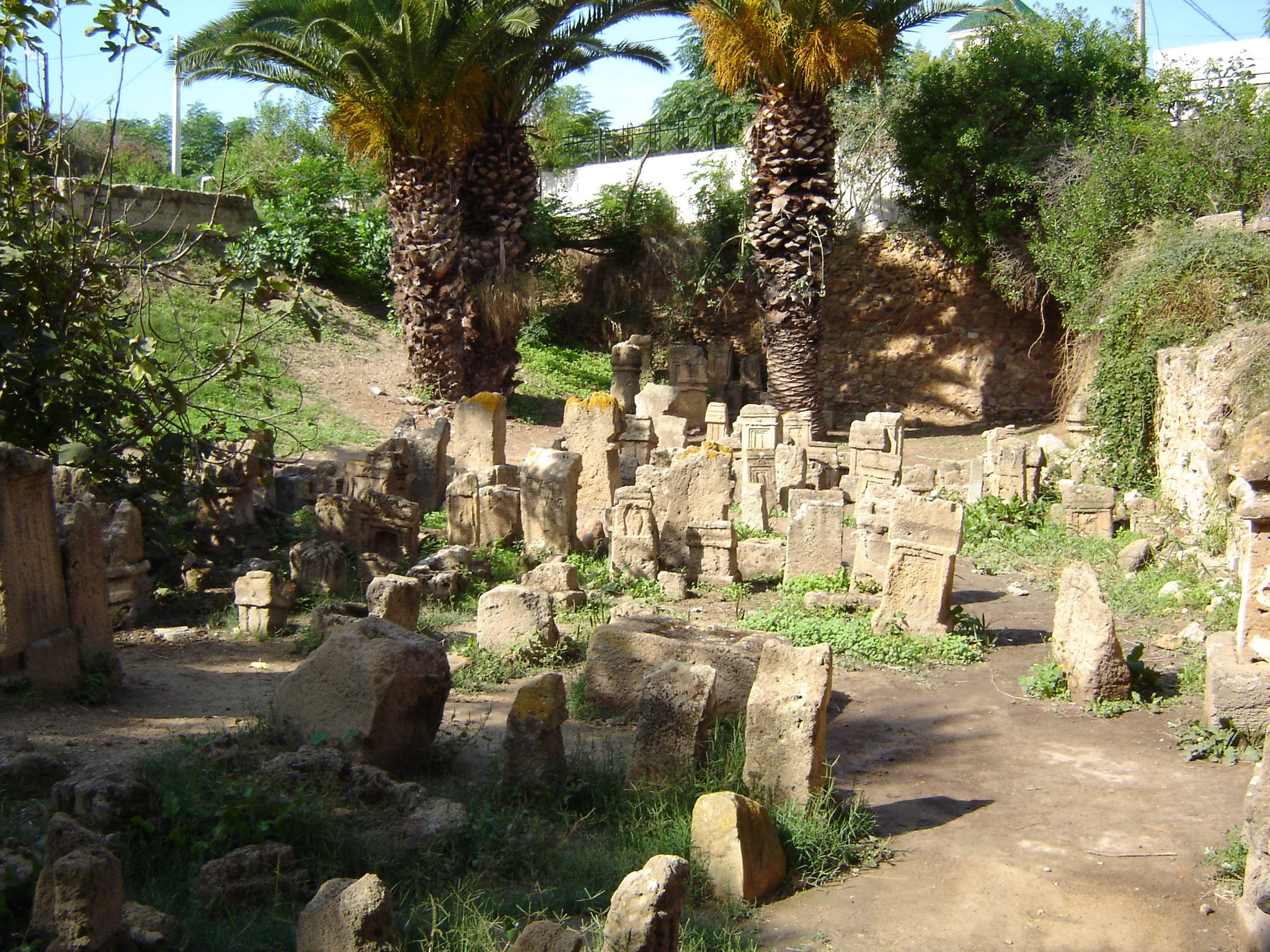 The tophet precinct at Carthage (Salammbô, Tunisia), where urns of cremated infants and young animals were buried beneath inscribed stelae. Whether the site records sacrifice or a special cemetery is debated. Public domain, via Wikimedia Commons.
Semantic range
- A divine name. The traditional reading, defended in detail by George C. Heider (1985) and John Day (1989): Molech is a god, worshiped with child sacrifice. Leviticus 20:5 speaks of those who "play the harlot with Molech," the idiom used for going after other gods, and 1 Kings 11:7 lists Molech beside Chemosh of Moab.
- A royal title. The consonants mlk spell the common noun melek, "king." A widely discussed proposal, associated with Abraham Geiger, holds that the Masoretic vowels are those of boshet, "shame," deliberately applied, as with Baal names such as Ishbosheth.
- A sacrificial term. Otto Eissfeldt (1935) argued from Punic inscriptions that mlk names a type of offering, so that lammolek means "as a molk-offering." Leviticus 20:5 is the main text against reading it this way in Hebrew.
The Hebrew normally carries the definite article, "the molek," which suits either a title or a technical term; Hebrew also uses the article with divine names such as "the Baal."
See this page's graph and discover linked topics
Theological force
- The ban is absolute. "Thou shalt not give any of thy seed to make them pass through the fire to Molech; neither shalt thou profane the name of thy God" (Leviticus 18:21, ASV). Leviticus 20:2-5 prescribes death for the offender and judgment on those who hide him.
- It is named as profaning God's name and sanctuary (Leviticus 18:21; 20:3), which treats the rite as an assault on Yahweh's own worship.
- God disowns it in the first person. "Which I commanded them not, neither came it into my mind, that they should do this abomination" (Jeremiah 32:35, ASV).
- Reform targets it. Josiah "defiled Topheth ... that no man might make his son or his daughter to pass through the fire to Molech" (2 Kings 23:10, ASV).
- The site becomes the image of judgment. The Valley of Hinnom gives the New Testament geenna. See G1067 - geenna.
Notable verses
- Leviticus 18:21, the first prohibition, in the holiness code
- Leviticus 20:2-5, the penalty, four occurrences
- 1 Kings 11:7, Solomon's high place "for Molech the abomination of the children of Ammon"; compare "Milcom" in 11:5 and 11:33
- 2 Kings 23:10, Josiah defiles Topheth
- Jeremiah 32:35, the high places of Baal in the valley of Hinnom, "to cause their sons and their daughters to pass through the fire unto Molech"
Patristic / scholarly note
The Greek tradition rendered the royal word in Amos 5:26, "the tabernacle of your king," as "the tabernacle of Moloch," and Stephen follows it in Acts 7:43, so the early church received Moloch as the name of a false god of Israel's wilderness idolatry.
Modern discussion turns on three monographs: Otto Eissfeldt, Molk als Opferbegriff im Punischen und Hebräischen, und das Ende des Gottes Moloch (1935), for the sacrificial term; George C. Heider, The Cult of Molek: A Reassessment (1985), and John Day, Molech: A God of Human Sacrifice in the Old Testament (1989), for the deity. Day argues that Molech was a Canaanite underworld god distinct from the Ammonite Milcom, which bears on the dispute over 1 Kings 11:7. The full treatment, with the hard texts Ezekiel 20:25-26 and Exodus 22:29, is at Molech.
Verses in this codex
See Obsidian's backlinks pane for every verse page linking here. Anchor: Leviticus 18.21 (the prohibition); 2 Kings 23.10 (Josiah's reform); Jeremiah 32.35 (the divine disavowal).
See also
- Molech, the concept page: the three scholarly positions, the hard texts and the archaeology
- Topheth and the Valley of Hinnom, where the rite was performed
- Human Sacrifice in the Old Testament, the wider question
- Children in OT Theology, the ban on child sacrifice and the Carthage debate
- G1067 - geenna, the Valley of Hinnom in the New Testament