Lexicon
H2654 - chaphets
chaphets, chaphetz, chafets, chafetz, ḥāpēṣ, hafets, חָפֵץ, H2654, God has no pleasure in the death of the wicked, it pleased the LORD to bruise him, does God delight in judgmentStrong's: H2654 · BLB lookup Pronunciation: khaw-fates' Part of speech: verb Root: a primitive root; the related noun is chephets (H2656), "delight, pleasure, desire" OT occurrences: 75 tagged instances across 71 verses (Strong's-tagged KJV, measured)
Chaphets is the Hebrew verb for taking delight in something, desiring it, being pleased to do it. It is the word behind two of the most debated sentences about what God wants: "I have no pleasure in the death of the wicked" (Ezekiel 33:11) and "it pleased Jehovah to bruise him" (Isaiah 53:10). Read together, they show the distinction Christian theology draws between what God delights in for its own sake and what He wills for the sake of a greater good.
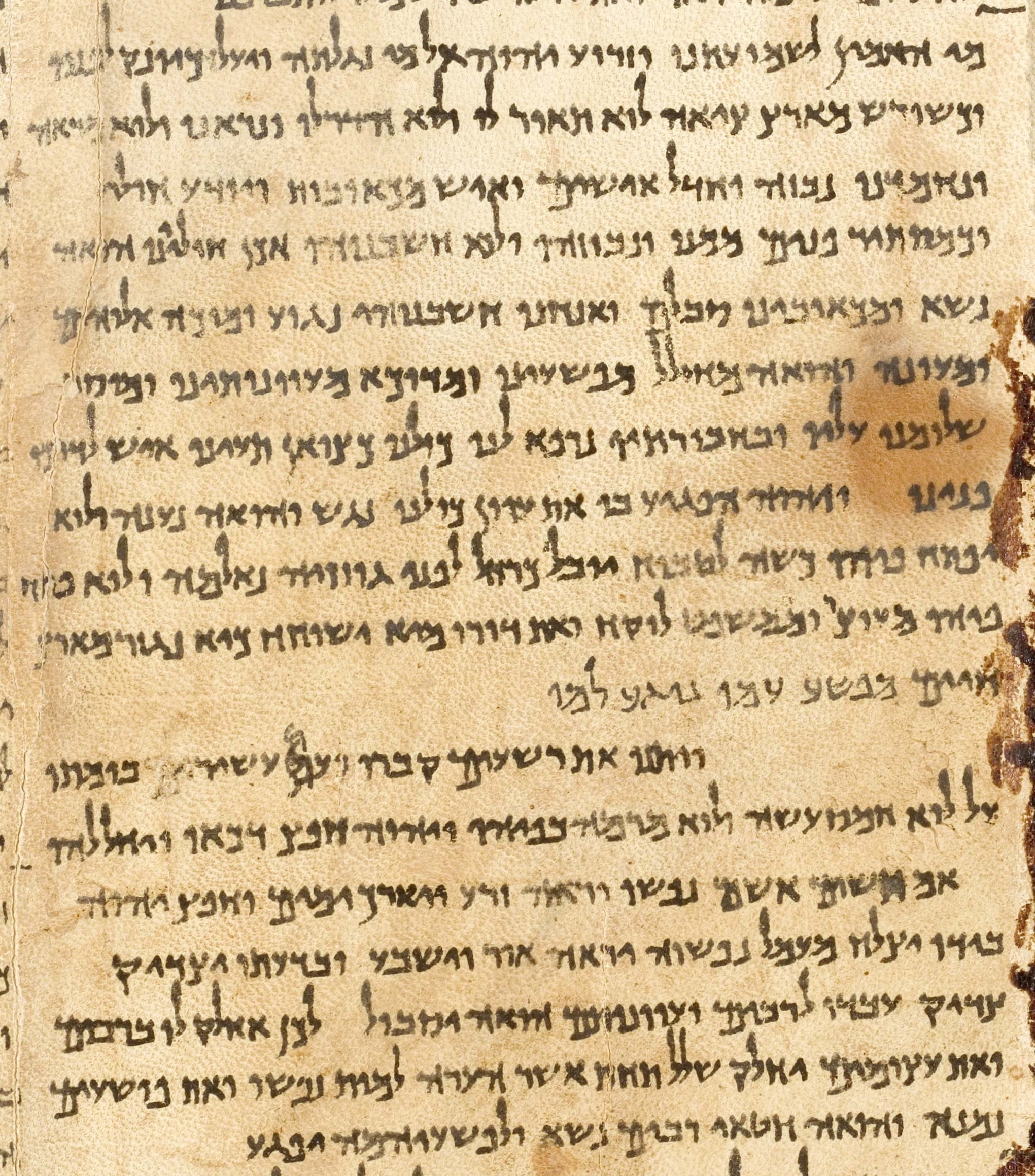
A column of the Great Isaiah Scroll (1QIsa-a) from Qumran Cave 1, about 125 BC, containing Isaiah 53, where "it pleased Jehovah to bruise him" uses chaphets. Image: public domain, via Wikimedia Commons.
The 30-second version:
Chaphets means to delight in, desire, or be pleased to do something. God uses it under oath in Ezekiel 33:11: "I have no pleasure in the death of the wicked; but that the wicked turn from his way and live." Isaiah uses the same verb of the cross: "it pleased Jehovah to bruise him." What God delights in is life, mercy and the good His purposes achieve. He carries out judgment and allows suffering for those ends, and He takes no pleasure in death considered in itself.
Semantic range
The standard lexicons (BDB, HALOT) give a closely related cluster of meanings:
- To delight in, take pleasure in a person or thing. "Jehovah delighteth in thee" (Isaiah 62:4, ASV), the verse that gives Jerusalem the name Hephzibah, "my delight is in her".
- To desire, want. "I desire goodness, and not sacrifice" (Hosea 6:6, ASV).
- To be pleased to do, choose to do. With another verb it means to will or be willing to act: "He hath done whatsoever he pleased" (Psalm 115:3, ASV).
- To bend, incline. Strong's records a physical root sense, and the KJV preserves it once, of Behemoth: "He moveth his tail like a cedar" (Job 40:17). The emotional senses are usually explained as an inclining of the self toward something.
The KJV renders it most often with "delight" in its various forms, and also with "desire", "please", "pleasure", "like", "would" and "favour" (measured on the KJV tagging).
See this page's graph and discover linked topics
Theological force
God's delight is in life, mercy and obedience
- The oath of Ezekiel. "As I live, saith the Lord Jehovah, I have no pleasure in the death of the wicked; but that the wicked turn from his way and live" (Ezekiel 33:11, ASV). The same statement appears twice in Ezekiel 18. In 18:23 the Hebrew doubles the verb, infinitive and finite form together, a standard Hebrew way of intensifying; the KJV renders it "Have I any pleasure at all that the wicked should die?" In 18:32 it closes the chapter: "For I have no pleasure in the death of him that dieth, saith the Lord Jehovah: wherefore turn yourselves, and live" (ASV).
- Mercy over ritual. "I desire goodness, and not sacrifice" (Hosea 6:6, ASV), which Jesus quotes twice (Matthew 9:13; Matthew 12:7). "Thou delightest not in sacrifice" (Psalm 51:16, ASV). "He delighteth in lovingkindness" (Micah 7:18, ASV).
God does what He pleases
- Sovereign freedom. "Our God is in the heavens: He hath done whatsoever he pleased" (Psalm 115:3, ASV); compare Psalm 135:6 and the sailors' confession in Jonah 1:14, "thou, O Jehovah, hast done as it pleased thee". God's word "shall accomplish that which I please" (Isaiah 55:11, ASV).
- The cross. "Yet it pleased Jehovah to bruise him; he hath put him to grief: when thou shalt make his soul an offering for sin, he shall see his seed, he shall prolong his days, and the pleasure of Jehovah shall prosper in his hand" (Isaiah 53:10, ASV). The verse uses the verb at its start and the noun chephets at its end. What pleases God is tied to what the suffering achieves: the offering for sin, the servant's "seed", his prolonged days.
Holding the two together
If God has no pleasure in death and yet it pleased Him to bruise the servant, the verb is evidently being used of two different objects. Considered in itself, death and suffering are not what God delights in. Considered as the means by which sin is atoned and many are saved, the servant's suffering is the will God was pleased to carry out. Christian theology states this as the difference between God's antecedent will (what He desires considered in itself) and His consequent will (what He wills in view of everything), a distinction Thomas Aquinas takes from John of Damascus (Summa Theologiae I q.19 a.6). See The Will of God.
The same distinction answers the claim that Deuteronomy 28:63 contradicts Ezekiel. There God "will rejoice over you to cause you to perish", but the verb is a different one, sus (rejoice), set in a deliberate mirror of the blessing ("as Jehovah rejoiced over you to do you good"). It stresses that God keeps His covenant word in judgment as wholeheartedly as in blessing. It is not a statement about delighting in death itself, which is the subject of Ezekiel's oath.
Related words
- Chephets (H2656), the noun from the same root, "delight, pleasure, desire, thing desired". It appears at the end of Isaiah 53:10 and in Isaiah 46:10, "I will do all my pleasure" (ASV).
- Ratsah (H7521), "to be pleased with, accept favorably". Its home is the language of acceptance, above all of offerings and of persons before God: "Jehovah taketh pleasure in them that fear him" (Psalm 147:11, ASV). Chaphets names desire or delight; ratsah names favorable acceptance. The noun ratson from the same family is the word of Psalm 40:8, "I delight to do thy will".
- Greek thelēma (G2307 - thelema), "will, what is willed", the word behind the KJV's "for thy pleasure they are and were created" in Revelation 4:11.
- Greek eudokia (G2107), "good pleasure", used of God's gracious purpose in Ephesians 1:5 and 1:9 and Luke 2:14.
Where the word decides a debate
- "God enjoys sending people to hell." Ezekiel answers it in God's own oath, and the verb is the plain word for delight: God takes no pleasure in the death of the wicked. See Hell as Eternal Torment Objection Defeater.
- "If God is sovereign, everything that happens is what He wants." Psalm 115:3 and Ezekiel 33:11 use the same verb, and both are true: God does all He pleases, and the death of the wicked is not what He delights in. The sovereign will and the desire of God have to be distinguished. See The Will of God.
- "Romans 9 means God made some people in order to enjoy destroying them." Whatever one concludes about the vessels of wrath, the Old Testament's own vocabulary of divine delight points the other way. See God Created Satan Knowing He Would Rebel Objection Defeater.
- "The cross shows a God who wanted His Son to suffer." Isaiah 53:10 says it pleased God, and the same verse says what pleased Him: the offering for sin and the life it brings.
Notable verses
- Ezekiel 33:11, "I have no pleasure in the death of the wicked"
- Ezekiel 18:23 and 18:32, the same oath with the verb doubled for emphasis in 18:23
- Isaiah 53:10, "it pleased Jehovah to bruise him"
- Psalm 115:3, "He hath done whatsoever he pleased"
- Hosea 6:6, "I desire goodness, and not sacrifice"
- Micah 7:18, "he delighteth in lovingkindness"
- Isaiah 55:11, God's word "shall accomplish that which I please"
- Isaiah 62:4, "Jehovah delighteth in thee"
- Psalm 51:16, "thou delightest not in sacrifice"
- Jonah 1:14, "thou, O Jehovah, hast done as it pleased thee"
See also
- The Will of God, decretive, preceptive and desiderative will
- G2307 - thelema, the main Greek word for will
- H7451 - ra, the word behind "I create evil" in Isaiah 45:7
- God Created Evil Objection Defeater, God's relation to calamity and to moral evil
- Divine Impassibility, how God's delight and grief are understood
- Aseity, why God's pleasure in creatures implies no need
- Isaiah 53, the servant chapter, where the verb and the noun meet in verse 10
Notes
Lexical workspace for chaphets.