Lexicon
G2307 - thelema
thelema, thelēma, θέλημα, G2307, will of God (Greek)Strong's: G2307 · BLB lookup Pronunciation: thel'-ay-mah Part of speech: neuter noun Root: from thelō (θέλω, G2309), "to will, wish, desire" NT occurrences: more than sixty, spread across the Gospels, Acts, Paul, Hebrews, 1 Peter, 1 John and Revelation
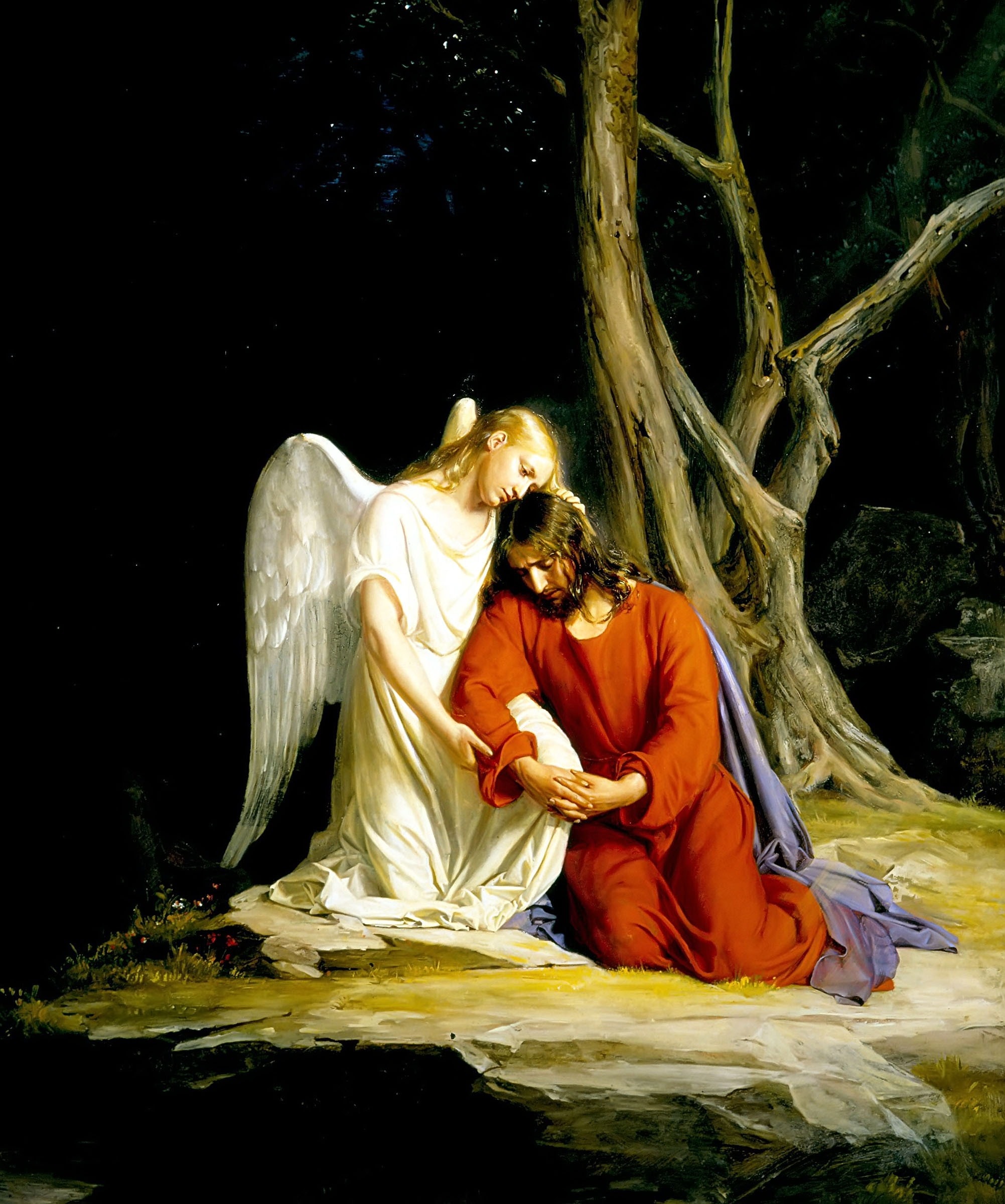
"Not my will, but thine, be done" (Luke 22:42, ASV). Carl Bloch, Gethsemane, 1873. Public domain, via Wikimedia Commons.
Semantic range (Thayer / BDAG)
- What one wishes or has determined, the object of willing: a purpose, plan or decision.
- The act of willing, desire or inclination, including human desire ("the will of the flesh," John 1:13; Ephesians 2:3).
- The will of God as His saving purpose (John 6:40; Ephesians 1:9).
- The will of God as what He requires of people (Matthew 7:21; 1 Thessalonians 4:3; Romans 12:2).
The -ma ending usually marks the result of an action, so thelēma leans toward "what is willed" rather than the faculty of will. Context decides whether a given occurrence means God's plan or God's command.
See this page's graph and discover linked topics
Theological force
Thelēma is the word on which the Christian distinctions within God's will are built, because the New Testament uses the same noun for things God brings about and for things God requires that people may refuse.
- Will as purpose. "This is the will of my Father, that every one that beholdeth the Son, and believeth on him, should have eternal life" (John 6:40, ASV). God's will here is His saving intention.
- Will as command. "This is the will of God, even your sanctification" (1 Thessalonians 4:3, ASV). Here it names what God requires, and people can disobey it.
- Will as sovereign plan. "Who worketh all things after the counsel of his will" (kata tēn boulēn tou thelēmatos autou, Ephesians 1:11). Paired with boulē (counsel), it names God's settled plan.
Thelēma and boulē. Some writers map boulē (G1012) onto God's fixed decree and thelēma onto His desire. The usage overlaps too much for that to hold as a rule: Ephesians 1:11 joins the words, and 2 Peter 3:9 expresses God's desire that none perish with boulomai, the verb of the boulē family. The distinctions between God's decretive and preceptive will rest on what the texts say, not on which noun they choose. See The Will of God.
Gethsemane. The noun is central to Christ's prayer: "not my will, but thine, be done" (Luke 22:42; compare Matthew 26:42, genēthētō to thelēma sou). The phrase repeats the third petition of the Lord's Prayer word for word (Matthew 6:10, genēthētō to thelēma sou), so the prayer Jesus taught becomes the prayer He prays at the cost of the cross. The scene was decisive in the seventh-century debate over whether Christ had one will or two. The Third Council of Constantinople (681) affirmed two wills, divine and human, with the human will freely subject to the divine, and Gethsemane was its principal text.
Johannine usage. Jesus describes His whole mission as doing the Father's thelēma: "My meat is to do the will of him that sent me" (John 4:34); "I seek not mine own will, but the will of him that sent me" (John 5:30); "I am come down from heaven, not to do mine own will, but the will of him that sent me" (John 6:38).
Notable verses
- Matthew 6:10, "Thy will be done, as in heaven, so on earth"
- Matthew 7:21, "he that doeth the will of my Father who is in heaven"
- Luke 22:42, "nevertheless not my will, but thine, be done"
- John 6:38-40, the Son sent to do the Father's will, which is eternal life for all who believe
- John 7:17, "If any man willeth to do his will, he shall know of the teaching"
- Romans 12:2, proving "the good and acceptable and perfect will of God"
- Ephesians 1:11, "the counsel of his will"
- 1 Thessalonians 4:3, "this is the will of God, even your sanctification"
- 1 Thessalonians 5:18, "in everything give thanks: for this is the will of God"
- 1 Peter 2:15, "so is the will of God, that by well-doing ye should put to silence"
- 1 John 5:14, "if we ask anything according to his will, he heareth us"
See also
- The Will of God, the doctrine and its distinctions
- Divine Providence, the sovereign will in operation
- Sanctification, the will of God in 1 Thessalonians 4:3
- Lord's Prayer, "thy will be done"