Concept
Candela Giarda (John Paul I 2011)
Candela Giarda, Candela Giarda miracle, John Paul I miracle, John Paul I beatification miracle, Albino Luciani miracle, Pope Luciani miracleIntro
In March 2011 an eleven-year-old girl from Paraná, Argentina, named Candela Giarda suddenly fell gravely ill. She had seizures that medicine could not stop, fell into a coma and was put on a breathing machine. In May she was moved more than 300 miles to the intensive care unit of the Favaloro Foundation hospital in Buenos Aires. She kept getting worse, and an infection spread through her body.
On the night of 22 July 2011 her doctors said she was close to death. A priest from the parish next to the hospital, Father José Dabusti, came to pray with her mother, Roxana Sosa. He suggested they ask for the prayers of Pope John Paul I, who had served as pope for only 33 days in 1978. Her mother agreed, and the nurses in the unit joined in.
The next day Candela began to improve quickly. Her blood pressure and breathing stabilized, she was taken off the ventilator about two weeks later, her seizures stopped in August, and she went home on 5 September 2011. The Vatican's medical board found no scientific explanation, and Pope Francis approved the healing as a miracle in October 2021. It is the miracle by which John Paul I was beatified on 4 September 2022. The case is filed in the documented tier because it passed the formal Vatican process.
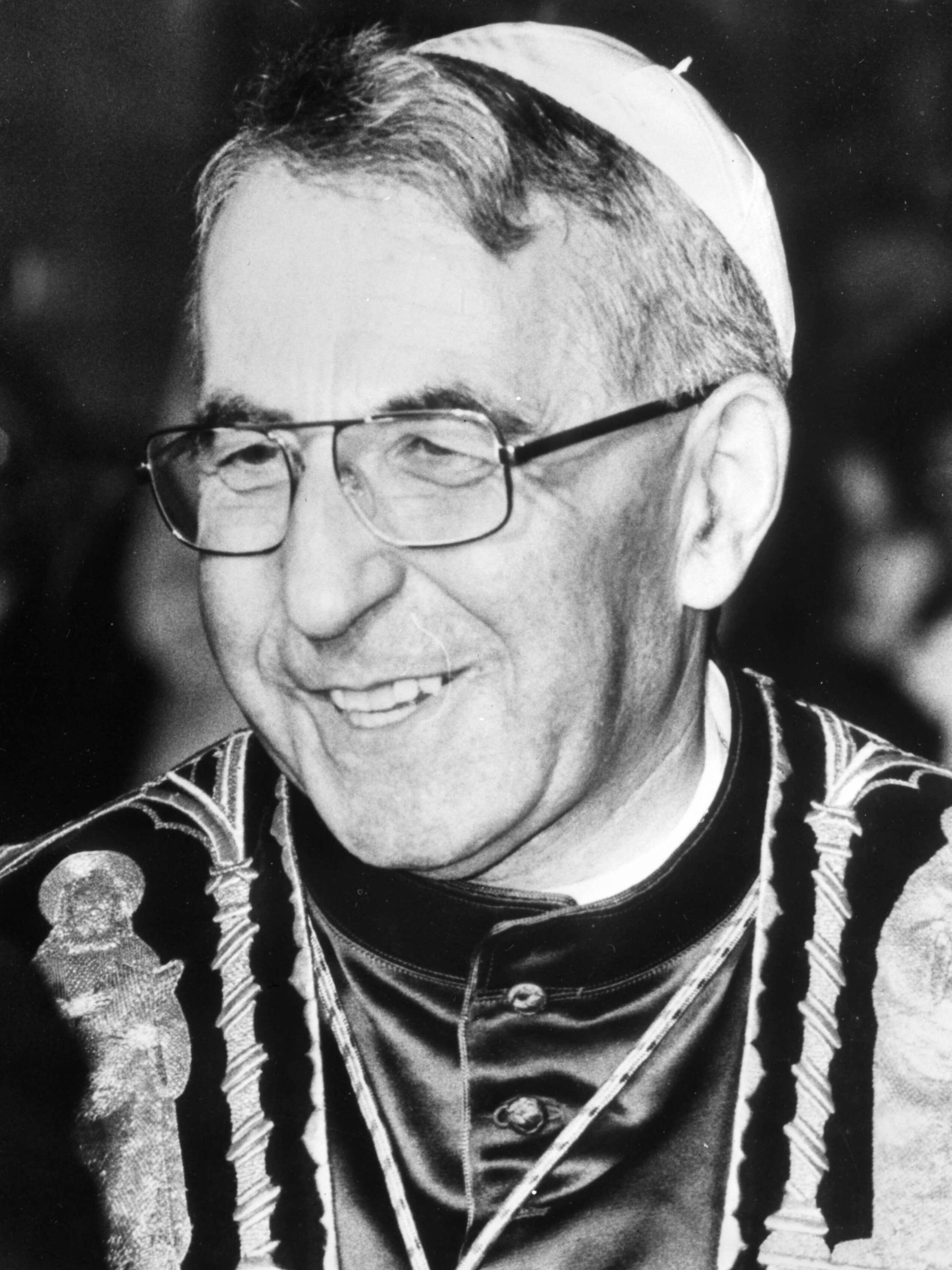
Pope John Paul I (Albino Luciani) in September 1978, during his 33-day pontificate. Photo: Anefo, Nationaal Archief (Dutch National Archives), CC0, via Wikimedia Commons.
The 30-second version:
Candela Giarda, eleven, had seizures that would not stop, a brain inflammation and septic shock, and lay in a coma on a ventilator in a Buenos Aires intensive care unit. On 22 July 2011 her doctors said death was imminent. Her mother and a parish priest prayed for the intercession of John Paul I, and from the next day she recovered: off the ventilator in two weeks, seizures over by 25 August, home on 5 September. The Vatican's medical board unanimously found the recovery inexplicable, and Pope Francis approved the miracle on 13 October 2021.
See this page's graph and discover linked topics
In full
Albino Luciani (1912 to 1978), Patriarch of Venice, was elected pope on 26 August 1978 and died on 28 September 1978, after one of the shortest pontificates in history. His cause for canonization was opened in his former diocese of Belluno-Feltre. The Candela Giarda case, which occurred in the Archdiocese of Buenos Aires while Jorge Mario Bergoglio was its archbishop, became the miracle for his beatification.
According to the Congregation for the Causes of Saints, as summarized by Vatican News, the illness was "severe acute inflammatory encephalopathy, malignant refractory epileptic illness and septic shock," and on 22 July 2011 the clinical picture was one of imminent death. The recovery began on 23 July with "a rapid improvement in septic shock," followed by return of circulatory and respiratory stability. The Medical Council of the Congregation judged the healing unanimously to be inexplicable to science, the theologians and cardinals concurred, and Pope Francis authorized the decree on 13 October 2021.
Summary
Candela Giarda, an eleven-year-old from Paraná, Argentina, developed refractory status epilepticus in March 2011, later diagnosed as febrile infection-related epilepsy syndrome, together with severe acute inflammatory encephalopathy and septic shock. Transferred in May 2011 to the intensive care unit of the Favaloro Foundation in Buenos Aires, she continued to decline, and on 22 July 2011 her condition was described as near imminent death. That night her mother, Roxana Sosa, and Father José Dabusti prayed for the intercession of the Servant of God John Paul I. From 23 July she improved rapidly; she was extubated about two weeks later, her status epilepticus resolved on 25 August, and she was discharged on 5 September 2011. Pope Francis approved the miracle on 13 October 2021, and John Paul I was beatified in St. Peter's Square on 4 September 2022.
The event
- Sudden illness. In March 2011 Candela, then eleven, fell ill suddenly and was taken to a pediatric hospital in Paraná "with refractory status epilepticus." She went into a coma and was placed on a respirator (Catholic World Report, 2021).
- Transfer to Buenos Aires. In May 2011 she was moved by ambulance, more than 300 miles, to the intensive care unit of the Favaloro Foundation research hospital in Buenos Aires.
- Decline. Her mother said, "Since we had arrived at Favaloro, Cande got worse instead of better." Staff suggested taking her home to Paraná to die (Catholic World Report, 2021).
- The night of 22 July 2011. The doctors described her condition as one of imminent death. Father José Dabusti, a priest at the church beside the hospital, prayed at her bedside with her mother and proposed entrusting her to John Paul I. Roxana Sosa agreed, and the intensive care nursing staff also prayed for his intercession.
- The turn. "On July 23, 2011, unexpectedly, there was a rapid improvement in septic shock," followed by recovery of circulatory and respiratory stability, according to the Congregation's summary.
- Recovery. She was taken off the ventilator about two weeks later; her status epilepticus resolved on 25 August 2011, and she was discharged on 5 September 2011.
- Afterward. In 2021 she was reported to be studying to become a veterinarian and taking no medication.
- Recognition. Father Dabusti reported the case to the Vatican and was asked to document her medical history in detail. The Medical Council of the Congregation for the Causes of Saints found the healing scientifically inexplicable; the theologians and cardinals concurred; Pope Francis authorized the decree on 13 October 2021; beatification followed on 4 September 2022.
Witnesses + documentation
- Roxana Sosa, her mother, who was at her bedside and has spoken publicly about the case.
- Father José Dabusti, the priest who prayed with the family and reported the case to the Vatican.
- The intensive care staff of the Favaloro Foundation, whose clinical records formed the basis of the investigation, and whose nurses also prayed.
- The Medical Council of the Congregation for the Causes of Saints, whose unanimous finding was cited by the Vatican at the 2022 beatification briefing.
- The Holy See Press Office, whose bulletin of 13 October 2021 records the decree.
Verification
What was checked:
- The official recognition. The Holy See Press Office bulletin of 13 October 2021 records that Pope Francis authorized the Congregation to promulgate the decree on the miracle attributed to the Venerable Servant of God John Paul I (Albino Luciani). L'Osservatore Romano reported the same decree.
- The medical description. Vatican News gave the clinical picture as severe acute inflammatory encephalopathy, malignant refractory epileptic illness and septic shock.
- The dates. The 22 July crisis, the 23 July turn, the 25 August resolution of seizures and the 5 September discharge are given in the Congregation's summary as quoted by Catholic News Agency.
- The outcome. John Paul I was beatified by Pope Francis on 4 September 2022. Candela did not attend because of a broken foot, which was itself reported at the time.
Naturalistic explanations considered:
- Late response to treatment. She was in intensive care under aggressive treatment for months. A delayed response to therapy is the obvious natural candidate, and the medical board considered the full course before calling the recovery inexplicable. What stands out is the timing and speed of the turn from a picture described as imminent death.
- The natural history of the syndrome. Febrile infection-related epilepsy syndrome is often fatal or leaves lasting neurological damage, and some patients do survive. The case rests on recovery without deficit, not on survival alone.
- Coincidence. The improvement began the morning after the prayer. Coincidence cannot be excluded in any single case; the case is offered as one strand in a cumulative argument.
Caveats and remaining uncertainties:
- The medical file is not public. No treating physician is named in the published reports, and the Medical Council's report has not been published.
- Reports differ on minor details. Accounts give her later age differently, and one account dates the start of her illness from the July crisis rather than March. The fuller accounts agree that the illness began in Paraná in March 2011 and the healing occurred in Buenos Aires.
- The account comes mainly through Catholic sources. The Vatican, Catholic News Agency and Catholic World Report are the main sources, though the decree was reported internationally.
- No skeptical analysis was found. A search turned up no published critique of this case.
Apologetic value
- A defined crisis and a dated turn. The hospital's own description of imminent death on 22 July, the prayer that night, and recovery beginning on 23 July give the case a clear before and after.
- Professional review. The finding came from a medical board reviewing hospital records, not from the family's memory alone.
- A prayer for a dying daughter. The scene echoes the father who begged Jesus, "My little daughter is at the point of death" (Mark 5:23, ASV), and the promise that "the prayer of faith shall save him that is sick" (James 5:15, ASV). The healing is God's; the recognition attributes it to the intercession of John Paul I, which Protestant readers will read differently.
- Honest limits. She was under intensive treatment, and the records are not public. Deploy it as one strand in a cumulative case. See Argument from Miracles.
- How to deploy it. Lead with the clinical picture and the hospital's verdict of imminent death, concede that treatment was ongoing, and press the speed and completeness of the recovery after the prayer.
See also
- Miracles, master hub
- _schema, the vetting standard this entry follows
- Christopher Sabu (Mariam Thresia 2009), another child in intensive care whose recovery was approved after formal review
- Valeria Valverde (Carlo Acutis 2022), another recent Vatican-approved recovery from a critical brain condition
- John Paul II, his successor, whose own causes produced two approved miracles
- Argument from Miracles, the argument this case supports
- David Hume, whose standard for credible miracle testimony this case presses on
- Naturalism, the worldview such cases press against
Common questions this page answers
Q: What was the miracle for John Paul I's beatification?
It was the healing of Candela Giarda, an eleven-year-old Argentine girl in intensive care in Buenos Aires with severe brain inflammation, seizures that would not stop and septic shock. On 22 July 2011 her doctors said she was near death; that night her mother and a priest prayed for the intercession of John Paul I, and she recovered from the next day. Pope Francis approved the miracle on 13 October 2021.
Q: Who is Candela Giarda?
She is the Argentine woman whose healing as a child in 2011 was recognized as the miracle for the beatification of Pope John Paul I. She was from Paraná, was treated at the Favaloro Foundation in Buenos Aires, and by 2021 was studying veterinary medicine.
Q: When was Pope John Paul I beatified?
Pope Francis beatified John Paul I (Albino Luciani) in St. Peter's Square on 4 September 2022, after approving the Candela Giarda healing as a miracle in October 2021.
Q: Did doctors confirm the John Paul I miracle?
The Medical Council of the Vatican's Congregation for the Causes of Saints reviewed the hospital records and unanimously found the recovery inexplicable to science. The records themselves are not public, and no treating physician is named in published reports.