Concept
Baltimore Primary Care Prayer Trial (Jacobson 2026)
Jacobson 2026, Prayer for Pain and Anxiety Trial, Baltimore Prayer Trial, Annals of Family Medicine Prayer Study, Proximal Intercessory Prayer Pain and Anxiety RCT, University of Maryland Prayer Study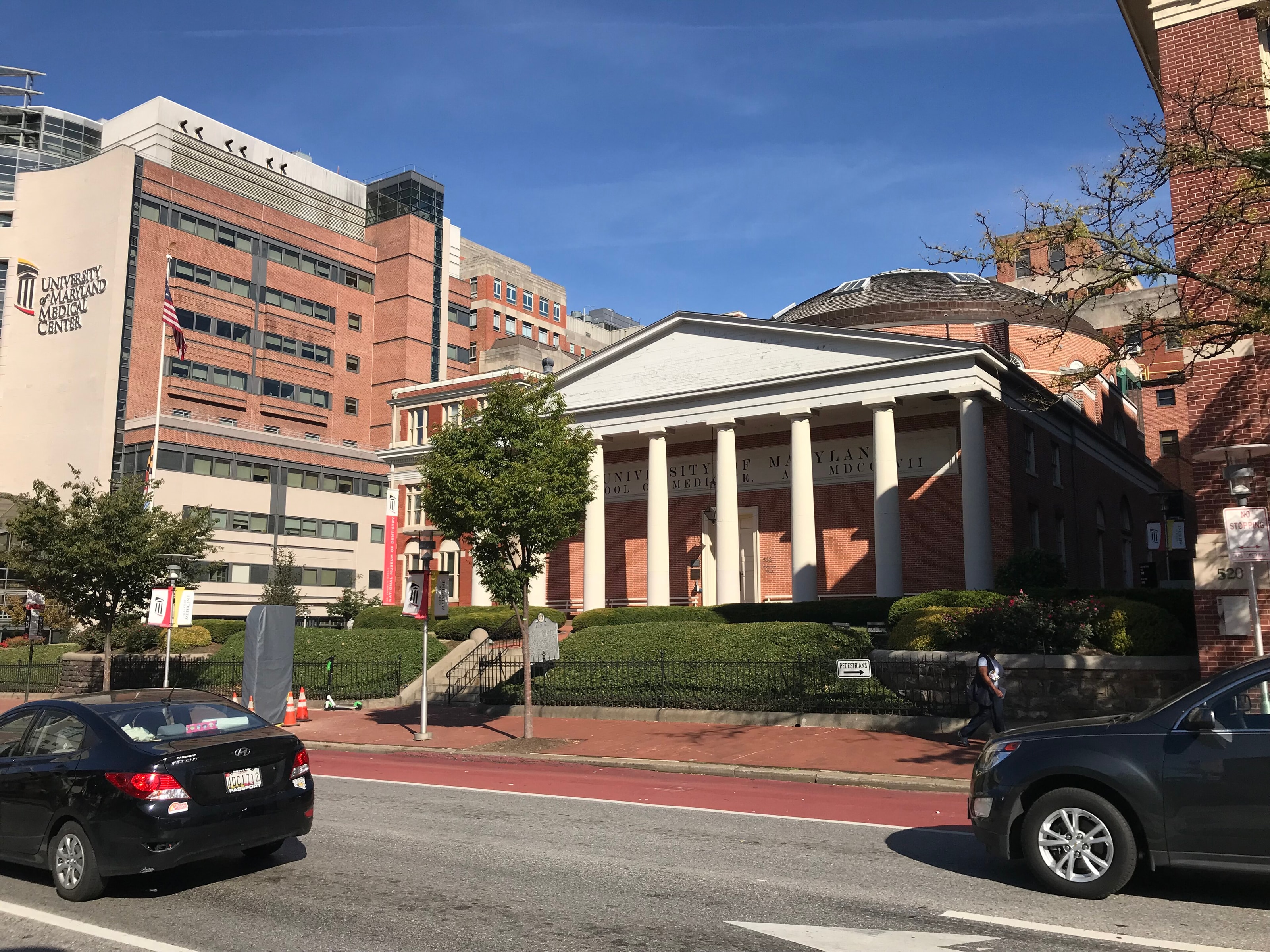
Intro
Can a short, in-person prayer help someone who is hurting or anxious? In 2024 and 2025, family doctors at the University of Maryland in Baltimore put that question to a fair test in their own clinic.
They asked 180 adults in the waiting room to take part. Everyone had real pain, real anxiety, or both. After seeing their doctor, each person was assigned by chance to one of two things. Half received about five minutes of Christian prayer from a trained volunteer, who laid a hand on them while praying. The other half listened to five minutes of relaxing music.
Both groups felt somewhat better. The prayer group felt better by more. Their pain dropped by one to two points more on a ten-point scale, right away and two weeks later. Their anxiety dropped by more right away, and stayed lower at two weeks and six weeks. Nobody was harmed, and most people said they would like prayer offered at future visits.
The results were published in May 2026 in the Annals of Family Medicine, a peer-reviewed journal for family doctors. That places the study in the top tier of this collection. The researchers are careful about what it shows, and this page follows them.
The 30-second version:
In a randomized trial at a University of Maryland family medicine practice, 180 adults with pain or anxiety received either five minutes of in-person Christian prayer with laying on of hands or five minutes of relaxing music. Pain fell by more in the prayer group immediately and at two weeks, and anxiety fell by more immediately and at two and six weeks. No harm was reported, and most patients wanted prayer available at future visits. The study appeared in the Annals of Family Medicine in May 2026. The authors note the music group had no human contact, so the trial does not separate prayer from personal care.
See this page's graph and discover linked topics
In full
Jacobson, Zipp, Jones, Case-Cook, Schrieber, C. G. Brown and J. W. Brown, "Prayer for Pain and Anxiety in a Primary Care Setting: A Randomized Controlled Trial," Annals of Family Medicine 24, no. 3 (May 2026): 192-197, DOI 10.1370/afm.250302, ClinicalTrials.gov NCT07565142, approved by the University of Maryland Baltimore Institutional Review Board (HP-00088654). Adults waiting for family medicine visits qualified with a pain rating of 4 or more on a 0-10 numerical scale over the previous week, a GAD-7 anxiety score of 10 or more, or both. After their appointments, 180 participants were randomized to proximal intercessory prayer (PIP), in-person prayer of about five minutes by trained Christian volunteers using a standardized five-step model with laying on of hands (n=90), or to a standardized five-minute relaxing music clip (n=90). Of these, 162 met the pain criterion (80 prayer, 82 control), 111 the anxiety criterion (57 prayer, 54 control) and 93 both. Outcomes were measured immediately, at two weeks and at six weeks. The prayer group showed significantly greater pain reduction immediately (group-by-time P < .001) and at two weeks (P < .03), but not at six weeks (P = .17); greater reduction on a Likert anxiety scale immediately (P = .001); and greater GAD-7 reduction at two weeks (P = .04) and six weeks (P = .04). Effects did not differ significantly by religious affiliation, religious intensity or expectation of healing, with the exception that Black participants reported larger reductions. No adverse events occurred, and 97 percent of participants were neutral or favorable toward future PIP. The authors call PIP "safe, effective, and well received" as a complementary treatment, state that their findings "are consistent with mind-body effects," and take no position on supernatural claims. The study meets the Tier 1 standard as a peer-reviewed randomized trial with published methods; its limits are listed below.
Summary
A randomized controlled trial of 180 adult primary care patients in Baltimore, conducted from May 2024 to May 2025 by the University of Maryland Department of Family and Community Medicine with the Global Medical Research Institute, compared about five minutes of in-person Christian prayer with laying on of hands against five minutes of relaxing music. Prayer produced larger reductions in pain immediately and at two weeks and in anxiety immediately, at two weeks and at six weeks, with no adverse events. Published in the peer-reviewed Annals of Family Medicine in May 2026, it is the first trial of in-person prayer in this collection run inside a United States primary care practice.
The event
Setting. The trial registry lists the site as the University of Maryland Department of Family and Community Medicine in Baltimore, with the University of Maryland, Baltimore as sponsor and the Global Medical Research Institute (GMRI) as collaborator. Enrollment ran from May 20, 2024 to May 19, 2025, according to the registry. The participants were mostly Black (83 percent) and female (78 percent), with a median household income of $20,000 to $39,999; 69 percent identified as Christian.
Who prayed. The paper describes the intercessors as "Christian volunteer prayer practitioners" trained for the study, and three authors are affiliated with Global Awakening College of Ministry in Mechanicsburg, Pennsylvania, a school in the charismatic Protestant stream. The prayer followed "a standardized 5-step healing prayer intervention that incorporated laying-on-of-hands." The steps themselves are described in the supplemental appendix and are not listed in the article text.
The comparison. The control group heard "a standardized 5-minute relaxing music clip" in a private room. The authors note it "does not meet formal criteria for music therapy."
What was measured. Pain on a 0-10 numerical rating scale; anxiety on a Likert scale immediately after the session and on the GAD-7 questionnaire at follow-up; and participants' views of prayer as part of medical care.
What happened. Both groups improved. The prayer group improved more:
- Pain: larger reductions of about 1 to 2 points than the music group immediately and at two weeks. At six weeks the difference was not statistically significant.
- Anxiety: a larger reduction of roughly 2 points on the Likert scale immediately, and larger reductions on the GAD-7 at two and six weeks.
- Safety and acceptance: no adverse events, and most participants wanted prayer available alongside future visits.
Witnesses + documentation
- Authors: Katherine Jacobson and Jennifer Zipp (University of Maryland School of Medicine, Department of Family and Community Medicine); Brenda Jones (GMRI and Global Awakening College of Ministry); Brenda Case-Cook and Megan Schrieber (Global Awakening College of Ministry); Candy Gunther Brown and Joshua W. Brown (GMRI and Indiana University).
- Journal: Annals of Family Medicine 24(3):192-197, May 2026, DOI 10.1370/afm.250302. The journal is the peer-reviewed research journal published by the major United States family medicine organizations.
- Registration: ClinicalTrials.gov NCT07565142, "Medical Effects of Proximal (In-person) Intercessory (PIP) and Virtual Intercessory Prayer (VIP) on Pain and Anxiety."
- Ethics approval: University of Maryland Baltimore Institutional Review Board, HP-00088654.
- Published response: Harold G. Koenig of Duke University, in an online letter to the journal dated June 2, 2026, called the study "well-designed and analyzed" and noted the lack of human contact in the control group.
Verification
What was checked for this entry:
- The article's title, authors, affiliations, volume, pages, DOI, funding, conflicts of interest and IRB number, read on the journal's site.
- The trial registry record for NCT07565142: sponsor, collaborator, site, start and completion dates, enrollment and interventions.
- Koenig's published letter, and a news summary of the study published by News-Medical on May 26, 2026, which agrees with the paper's figures.
Naturalistic explanations the authors consider:
- Placebo and mind-body effects. The authors write that "lack of participant blinding leaves the possibility that placebo analgesia or other mind-body interactions" explain the results, and conclude that their findings "are consistent with mind-body effects."
- Human contact. The music control had no person present and no touch. The authors say this "may have confounded results," and Koenig's letter makes the same point. The trial shows that prayer outperformed music; it does not show that prayer outperformed an equally warm, personal intervention.
- Regression to the mean. Participants were enrolled because their symptoms were high, and both groups improved, so part of the change in each group may be non-specific.
- Expectation. The authors report "no effects of religious affiliation, intensity, nor expectancy of healing on outcomes," which weighs against a simple expectation explanation without ruling out other placebo pathways.
Caveats and remaining uncertainties:
- Outcomes are self-reported. Pain and anxiety are measured by what patients say, and some participants needed help recording their answers, which the authors flag as a possible influence.
- Attrition is unclear. The paper's sentence on follow-up losses ("Attrition at follow-up was 50 less participants by week 2, totaling 62 by week 6") is garbled, so the number analyzed at each follow-up cannot be stated with confidence from the text.
- Interested parties. The study was funded by a GMRI grant, three authors sit on GMRI's board, and Joshua and Candy Gunther Brown disclose financial interests in MiracleSeries.com, with Joshua Brown also holding a contract for a book titled Proving a Miracle.
- No documented refutation. No published critique disputing the trial's data has been located as of November 2026.
Source disagreement. The ClinicalTrials.gov record describes four arms, in-person prayer, virtual prayer over Zoom, and an in-person and a virtual music control, with prayer sessions of 5 to 15 minutes. The published paper reports 180 participants in two arms, in-person prayer and music, with prayer of about five minutes. The registry's enrollment figure is also 180. The paper does not explain what became of the virtual arms. The registry was first posted on May 4, 2026, after the study had finished, so it was registered retrospectively. This entry follows the published paper for design and results and the registry for dates and site.
Apologetic value
- A clinic-floor test of what the church already does. Laying hands on the sick and praying is apostolic practice: Paul "prayed, and laying his hands on him healed him" (Acts 28:8, ASV), and James tells the sick to "call for the elders of the church; and let them pray over him" (James 5:14-16, ASV). This trial tested a modest version of that practice for ordinary suffering, in an ordinary clinic, under randomization and peer review.
- Answers the claim that prayer is useless or harmful. The Byrd Cardiac Prayer Study (1988) and Harris CCU Prayer Study (1999) tested distant prayer, and the Benson STEP trial of 2006 is often cited to show that prayer does nothing. In-person prayer is a different practice, and here it outperformed an active control with no adverse events.
- Calibrate the claim. The trial does not demonstrate a supernatural cause, and its own authors say so. It shows that a Christian practice helped real patients more than a pleasant alternative, and that most patients, including many who were not Christians, welcomed it. Use it to show that prayer for the sick is reasonable, safe and wanted; use the documented case reports, such as Malabsorption and Seizures Healing (Romez 2024), for claims of extraordinary healing.
- Anxiety and the promise of peace. The longest-lasting effect was on anxiety. Scripture ties prayer and peace together: "In nothing be anxious; but in everything by prayer and supplication with thanksgiving let your requests be made known unto God. And the peace of God, which passeth all understanding, shall guard your hearts" (Philippians 4:6-7, ASV).
- How to deploy it. State the design first: 180 patients, randomized, prayer against music, published in a mainstream family medicine journal. Give the results with their limits: larger drops in pain at two weeks and in anxiety at six, no blinding, and a control without human contact. Then set it beside STEPP Mozambique Study (Brown 2010), the same research network's earlier study of in-person prayer for hearing and sight.
Scholarship
Published academic works this page draws on, each matched to a publisher, index or library catalog record.
- Katherine Jacobson et al., "Prayer for Pain and Anxiety in a Primary Care Setting: A Randomized Controlled Trial," The Annals of Family Medicine 24 (2026). doi:10.1370/afm.250302 PubMed 42191375 open access
See also
- Miracles, master hub
- _schema, the vetting standard this entry follows
- STEPP Mozambique Study (Brown 2010), the earlier peer-reviewed study of in-person prayer by members of the same research network
- Byrd Cardiac Prayer Study (1988), the first randomized trial of intercessory prayer
- Harris CCU Prayer Study (1999), the larger replication of Byrd
- Malabsorption and Seizures Healing (Romez 2024), a peer-reviewed case report from the Global Medical Research Institute
- Prayer, the practice under test
- Argument from Miracles, the argument the prayer literature is used to support
- Naturalism, the worldview this literature presses against
Common questions this page answers
Q: Is there a randomized controlled trial showing that prayer reduces pain?
Yes. A 2026 trial in the Annals of Family Medicine randomized 180 family medicine patients in Baltimore to five minutes of in-person Christian prayer or five minutes of relaxing music. The prayer group reported pain reductions about one to two points larger on a ten-point scale immediately and at two weeks. The difference was no longer significant at six weeks.
Q: Does in-person prayer help with anxiety?
In the 2026 University of Maryland trial it did. Patients who received prayer had larger drops in anxiety right after the session and on the GAD-7 questionnaire at two and six weeks, compared with patients who listened to music. Anxiety was the longest-lasting effect in the study.
Q: Who did the praying in the University of Maryland prayer study?
Trained Christian volunteer prayer practitioners, using a standardized five-step healing prayer with laying on of hands that lasted about five minutes. Several of the authors are connected with the Global Medical Research Institute and Global Awakening College of Ministry, a charismatic Protestant training school.
Q: Does the 2026 prayer trial prove a miracle?
No, and the authors do not claim it does. They write that their findings are consistent with mind-body effects and take no position on supernatural explanations. The trial shows that prayer helped patients more than music and caused no harm; documented case reports are the better evidence for extraordinary healings.
Q: What are the weaknesses of the 2026 prayer and pain study?
Patients and intercessors could not be blinded, the music control had no human contact or touch, the outcomes are self-reported, the trial was registered after it finished, the registry lists virtual prayer arms the paper does not report, and the study was funded by a prayer-research institute whose leaders disclose related financial interests.