Concept
Ann Theresa O'Neill (Elizabeth Ann Seton 1952)
Ann O'Neill, Anne Theresa O'Neill, Ann Teresa O'Neill, Elizabeth Ann Seton miracle, Mother Seton miracle, Seton leukemia miracleIntro
In February 1952 Ann Theresa O'Neill, a four-year-old girl from Baltimore, was found to have acute lymphoblastic leukemia. In 1952 that diagnosis meant death. Transfusions and the newest drug did not help, and by April her doctors told her parents she had about two weeks to live.
A nun on the children's ward, Sister Mary Alice Fowler, asked everyone she could reach to pray to Mother Elizabeth Ann Seton, who had founded the Sisters of Charity in Emmitsburg, Maryland, more than a century earlier. A cloth that had touched Seton's remains was pinned to Ann's hospital gown, a novena was started, and her parents took her to Seton's tomb. Ann began to recover. She left the hospital on 27 April 1952, bone marrow tests in 1956 and 1957 were normal, and she lived to be 78.
The Vatican accepted the cure in 1959, and it was one of the miracles behind Seton's beatification in 1963 and her canonization in 1975 as the first saint born in the United States. In 2012 two physicians reviewed the hospital records and published the case in a medical journal. That combination of formal Church review and published medical records is why it is filed in the documented tier.
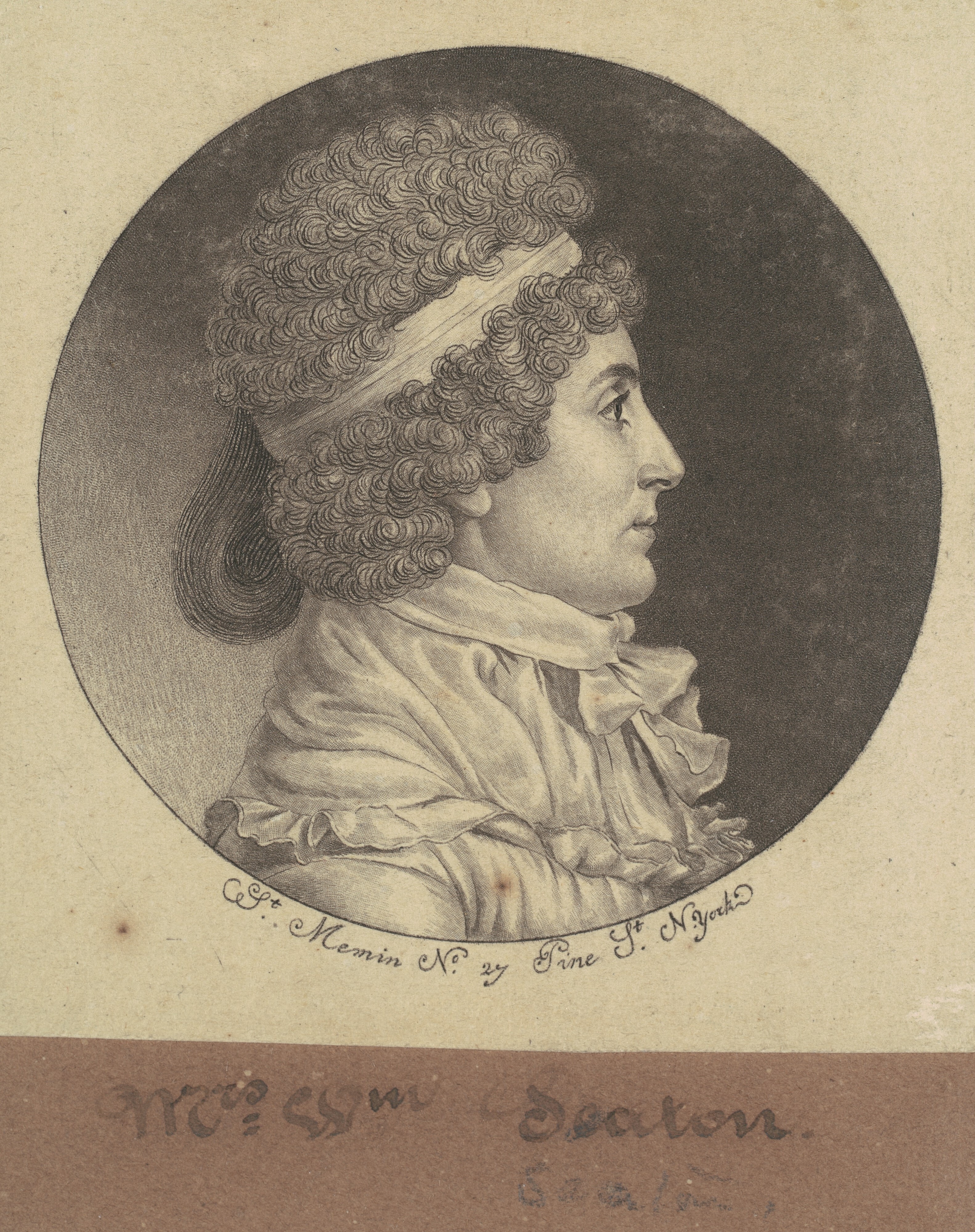
Elizabeth Ann Bayley Seton in 1797, years before she became a Catholic and founded the Sisters of Charity. Engraving by Charles Balthazar Julien Févret de Saint-Mémin, National Gallery of Art, public domain, via Wikimedia Commons.

The 30-second version:
Ann Theresa O'Neill of Baltimore was four when a bone marrow test on 18 February 1952 confirmed acute lymphoblastic leukemia, then an always-fatal disease. Transfusions and aminopterin failed, she was sent home as incurable in March, and when she was readmitted on 9 April her chart read "Leukemia advanced." Prayer to Mother Seton began, a relic was pinned to her gown, and she recovered; she was discharged on 27 April 1952. Bone marrow aspirates in 1956 and 1957 were normal. The Sacred Congregation of Rites accepted the cure in 1959, Seton was beatified in 1963 and canonized in 1975, and Ann lived until 17 July 2026.
See this page's graph and discover linked topics
In full
Elizabeth Ann Bayley Seton (1774-1821) was born in New York, widowed in 1803, received into the Catholic Church in 1805, and founded the Sisters of Charity of St. Joseph's at Emmitsburg, Maryland, in 1809. Her cause for sainthood required approved miracles, and three cures were attributed to her intercession; Ann O'Neill's was the second (Boursiquot and Reddoch, 2012). Seton Hill's account of the beatification names the two cures accepted for it as those of Sister Gertrude Korzendorfer and Ann Theresa O'Neill, and Pope John XXIII beatified Seton on 17 March 1963. Pope Paul VI canonized her on 14 September 1975.
The clinical record comes from Marie-Alberte Boursiquot and Shirley E. Reddoch, two physicians who reviewed the hospital documents and published "The Approved Miracle of Saint Elizabeth Ann Seton" in The Linacre Quarterly, the peer-reviewed journal of the Catholic Medical Association, in 2012. They report the family physician's note of 17 February 1952, the bone marrow aspirate of 18 February that "confirmed acute lymphoblastic leukemia," treatment with aminopterin under the hematologist Dr. Milton S. Sachs at the University of Maryland Hospital, discharge as incurable on 27 March, readmission to St. Agnes Hospital on 9 April with the note "Leukemia advanced," discharge on 27 April, normal blood smears in 1954, and normal bone marrow in January 1956 and March 1957. Under the Miracles schema the case qualifies as Tier 1 on two grounds: formal ratification by the Vatican's congregation for causes of saints, and a peer-reviewed article built on the medical records.
Summary
Ann Theresa O'Neill, born on 7 October 1947 in Baltimore to William Richard and Felixena Phelps O'Neill, was diagnosed with acute lymphoblastic leukemia by bone marrow aspirate on 18 February 1952. Treatment with transfusions and aminopterin failed, and when she was readmitted to St. Agnes Hospital on 9 April 1952 her physicians expected her to die within about two weeks. Sister Mary Alice Fowler, a Daughter of Charity supervising the children's ward, organized prayer for the intercession of Mother Elizabeth Ann Seton; a relic was pinned to the child's gown, a novena was made, and her parents took her to Seton's tomb at Emmitsburg. She recovered and was discharged on 27 April 1952. Bone marrow examinations in 1956 and 1957 were normal. The Sacred Congregation of Rites accepted the cure in 1959, Seton was beatified on 17 March 1963 and canonized on 14 September 1975, and Ann O'Neill died on 17 July 2026, aged 78.
The event
- The diagnosis. On 17 February 1952 the family physician, Dr. E. W. Johnson, examined Ann and wrote "IMP: Leukemia." She was admitted to St. Agnes Hospital in Baltimore that day, and a bone marrow aspirate on 18 February confirmed acute lymphoblastic leukemia (Boursiquot and Reddoch, 2012). At the time the disease was fatal in children; the first drugs could produce only temporary remissions.
- Treatment fails. On 28 February she was moved to the University of Maryland Hospital and given aminopterin under Dr. Milton S. Sachs, a hematologist. Her condition worsened, and she was discharged on 27 March 1952 (Boursiquot and Reddoch, 2012). Catholic Review reports that she was sent home as incurable and that the new drug made her worse (Connolly, 2025).
- The relapse. On 9 April 1952, the Wednesday of Holy Week, Dr. Johnson sent her back to St. Agnes. Dr. Leo Ley Jr.'s note read "Leukemia advanced," and her parents were told she would likely live about two weeks (Boursiquot and Reddoch, 2012). Catholic Review adds that she developed a severe case of chicken pox during this admission (Connolly, 2025).
- The prayer. Sister Mary Alice Fowler, a Daughter of Charity who supervised the St. Louise children's ward, gave Ann's mother prayers asking Mother Seton's intercession. A cloth that had touched Seton's remains was pinned to Ann's gown, and a novena was begun by the Daughters of Charity, priests, students, relatives and parishioners (Boursiquot and Reddoch, 2012; Connolly, 2025). Her parents took her to Seton's tomb at Emmitsburg, where she was laid on the tomb (Connolly, 2025; EWTN News, 2026).
- The recovery. Ann improved, began to sit up and eat, and then walked (Vincentian Family, 2025). A blood count came back normal; Catholic Review quotes Sister Mary Alice's words as recorded by Mary Hilaire Tavenner: "Ann's blood has built up! It's normal!" She was discharged on 27 April 1952 (Boursiquot and Reddoch, 2012).
- Follow-up. Blood smears on 6 July and 20 October 1954 were normal. On 7 January 1956 Dr. Thomas Crahan read her bone marrow as "essentially normal marrow," and on 12 March 1957 Dr. Sachs read a further aspirate as normal (Boursiquot and Reddoch, 2012). Ann later recalled that years of marrow tests were required for the Vatican inquiry and that she agreed reluctantly, because "I didn't have cancer anymore" (Connolly, 2025).
- Recognition. The Sacred Congregation of Rites accepted the cure in 1959 (Boursiquot and Reddoch, 2012). As a student at Seton High School, Ann attended the beatification in Rome in 1963 and was blessed by Pope John XXIII, and she attended the canonization on 14 September 1975.
- Afterward. Ann O'Neill married, lived in Easton, Maryland, raised four children, and died on 17 July 2026, aged 78. Her funeral Mass was held on 25 July at the Basilica of the National Shrine of St. Elizabeth Ann Seton in Emmitsburg, with burial on the shrine grounds (EWTN News, 2026).
Witnesses + documentation
- Ann Theresa O'Neill, the patient, interviewed by the Seton Shrine and by Catholic Review.
- William Richard and Felixena "Sis" Phelps O'Neill, her parents.
- Dr. E. W. Johnson, family physician, who made the first diagnosis and readmitted her on 9 April 1952.
- Dr. Milton S. Sachs, hematologist at the University of Maryland Hospital, who treated her with aminopterin and read the 1957 marrow as normal. Boursiquot and Reddoch report his statement that spontaneous remissions occurred "in one percent or less" of the cases he saw.
- Dr. Leo Ley Jr., who recorded "Leukemia advanced" on her April admission.
- Dr. Thomas Crahan, who read the January 1956 marrow as essentially normal.
- Sister Mary Alice Fowler, D.C., supervisor of the children's ward at St. Agnes Hospital, who organized the prayer and signed a statement on the case on 20 November 1959.
- The Sacred Congregation of Rites, which accepted the cure in 1959.
- Pope John XXIII, who beatified Seton on 17 March 1963, and Pope Paul VI, who canonized her on 14 September 1975.
- Marie-Alberte Boursiquot, M.D., and Shirley E. Reddoch, M.D., who reviewed the records and published the case in 2012.
Verification
What was checked:
- The medical timeline. The diagnosis, treatment, readmission, discharge and follow-up dates above are taken from the published review of the hospital records in The Linacre Quarterly (2012), which names the physicians and quotes their notes.
- The Church process. The 1959 acceptance is reported by Boursiquot and Reddoch. The beatification date of 17 March 1963 is given by Seton Hill's account of the cause, and the canonization date of 14 September 1975 by every account consulted.
- Durability. Normal marrow in 1956 and 1957 and a life of more than seventy years after the cure are reported independently by the medical review and by her 2026 obituaries.
Naturalistic explanations considered:
- Spontaneous remission. Acute leukemia very occasionally remits without effective treatment, and some reported remissions have followed a severe infection; Ann had chicken pox during her April admission. Her own hematologist put spontaneous remission at one percent or less of the cases he saw. Such remissions are usually brief, and hers was confirmed by marrow examination four and five years later and never relapsed.
- A delayed drug effect. Aminopterin, introduced in 1948, could produce remissions of childhood leukemia, but they were temporary, and the record shows her condition worsened on the drug and was judged advanced on 9 April, after it.
- Misdiagnosis. The diagnosis rests on a bone marrow aspirate, the standard test then and now, and on the reading of a specialist hematologist.
Caveats and remaining uncertainties:
- The Vatican file is not public. The congregation's medical and theological findings are known through Boursiquot and Reddoch and through press accounts, not from a published decree.
- The exact moment of change is unclear. The accounts differ on when the turn came (see Tensions), and the medical record as published gives the discharge date and later tests, not a dated blood count for the first normal result.
- Diagnostic standards of 1952. Leukemia was classified by cell appearance; the immunological and genetic subtyping used today did not exist.
Tensions
The published accounts differ on some points. They are recorded here, attributed, without choosing a winner.
- When the tomb visit happened. Ann's own account to the Seton Shrine, followed by EWTN News (2026), says her parents took her to the tomb on Good Friday against the doctors' wishes and that her blood count was normal on Easter Monday, "instantaneous" in her words. Catholic Review (2025) places the visit after Easter. Boursiquot and Reddoch record her in St. Agnes from 9 April to 27 April and attribute the improvement to the period of the novena. Good Friday fell on 11 April and Easter Monday on 14 April in 1952.
- Which step the cure served. Seton Hill's account and Boursiquot and Reddoch tie the cure to the 1959 acceptance that led to the beatification of 1963, while many Catholic news reports call it the canonization miracle. Since it was among the cures accepted in Seton's cause, it served the process that ended in 1975.
- The name and the disease. Sources spell her name Ann, Anne, Theresa and Teresa, and describe the disease as acute lymphatic, lymphocytic or lymphoblastic leukemia, which are older and newer names for the same condition.
Apologetic value
- A fatal disease with a clear record. The case has a dated diagnosis by bone marrow, named physicians, a documented failure of treatment, a terminal prognosis, and normal marrow years later. A reader without medical training can follow the before and after.
- Durable. She lived seventy-four years after the cure. A healing that lasts a lifetime cannot be explained as suggestion or a short remission.
- Answered prayer, read in biblical terms. A child at the point of death restored after the prayer of her parents and the church recalls Jairus pleading for his little daughter (Mark 5:23, 5:41-42), the cloths carried from Paul to the sick in Acts 19:11-12, and the promise that "the prayer of faith shall save him that is sick" (James 5:14-15). Catholic recognition attributes the cure to Elizabeth Ann Seton's intercession; Protestant readers will attribute it to God answering the prayers of a family and a hospital ward, and both agree that it is God who heals.
- Honest limits. Spontaneous remission of acute leukemia is rare but real, and the Vatican file is unpublished. Deploy the case as one strand in a cumulative case. See Argument from Miracles.
- How to deploy it. Lead with the marrow-confirmed diagnosis, the chart note "Leukemia advanced," and the normal marrow in 1956 and 1957, then concede the rare natural remission. The skeptic's best reply is remission; ask how often a remission in 1952 lasted a lifetime, and why this one came while a whole ward was praying.
See also
- Miracles, master hub
- _schema, the vetting standard this entry follows
- Amy Wall (Katharine Drexel 1994), another American child whose cure was accepted in the cause of an American foundress
- Benedicta McCarthy (Edith Stein 1987), another American child whose cure was a canonization miracle
- Jake Finkbonner (Kateri Tekakwitha 2006), another American child whose healing was examined in a saint's cause
- Argument from Miracles, the argument this case supports
- David Hume, whose standard for credible miracle testimony this case presses on
- Naturalism, the worldview such cases press against
Common questions this page answers
Q: What miracle made Elizabeth Ann Seton a saint?
Three cures were attributed to her intercession. One was the 1952 recovery of Ann Theresa O'Neill, a four-year-old Baltimore girl with acute lymphoblastic leukemia who was expected to die within weeks. The Vatican accepted her cure in 1959, Seton was beatified in 1963, and Pope Paul VI canonized her on 14 September 1975.
Q: Who was Ann O'Neill?
Ann Theresa O'Neill (1947-2026) was born in Baltimore and diagnosed with leukemia at four. After prayer to Mother Seton she recovered in April 1952, her bone marrow was normal in 1956 and 1957, and she lived to 78, dying on 17 July 2026. She attended both Seton's beatification and her canonization.
Q: Is there medical evidence for the Seton miracle?
Yes. In 2012 two physicians, Marie-Alberte Boursiquot and Shirley Reddoch, published a review of the hospital records in The Linacre Quarterly. It reports the bone marrow test that confirmed leukemia in February 1952, the failed treatment, the chart note "Leukemia advanced" in April, and normal bone marrow tests in 1956 and 1957.
Q: Could Ann O'Neill's leukemia have gone into remission on its own?
Spontaneous remission of acute leukemia does happen, very rarely, and her own hematologist put it at one percent or less of the cases he saw. Such remissions were usually brief, while her recovery was confirmed by marrow tests years later and lasted the rest of her life. The Vatican's medical review judged it unexplained.