Concept
Presenting the Gospel Accurately
How to Present the Gospel, Gospel Presentation Mistakes, Sharing the Gospel Accurately, Common Mistakes When Sharing the Gospel, How to Share the Gospel with EvidenceA gospel presentation does two jobs at once: it announces what God has done in Jesus Christ, and it often gives reasons to believe it. This page is about doing both accurately, so that the message is clear and the reasons can bear the weight a listener puts on them.
Intro
When you share the gospel, the person in front of you needs to hear four things: who Jesus is, what He did, why they need Him, and how to respond. Everything else, including the evidence, serves those four.
Many believers add evidence to their presentation, and that is good. Paul did it himself (1 Corinthians 15:3-8). But a reason that is stated loosely can backfire. If a skeptic catches one overstatement, they may stop listening to the rest. Getting the details right is not nitpicking. It is how you show the listener the message is worth trusting.
The other half is tone. The gospel is an invitation from a loving Creator, so it should sound like one. Pressure, ridicule and "be a man about it" challenges can energize people who already agree, but a skeptic hears them as an attack. Peter's instruction is to give a reason "with meekness and fear" (1 Peter 3:15, ASV).
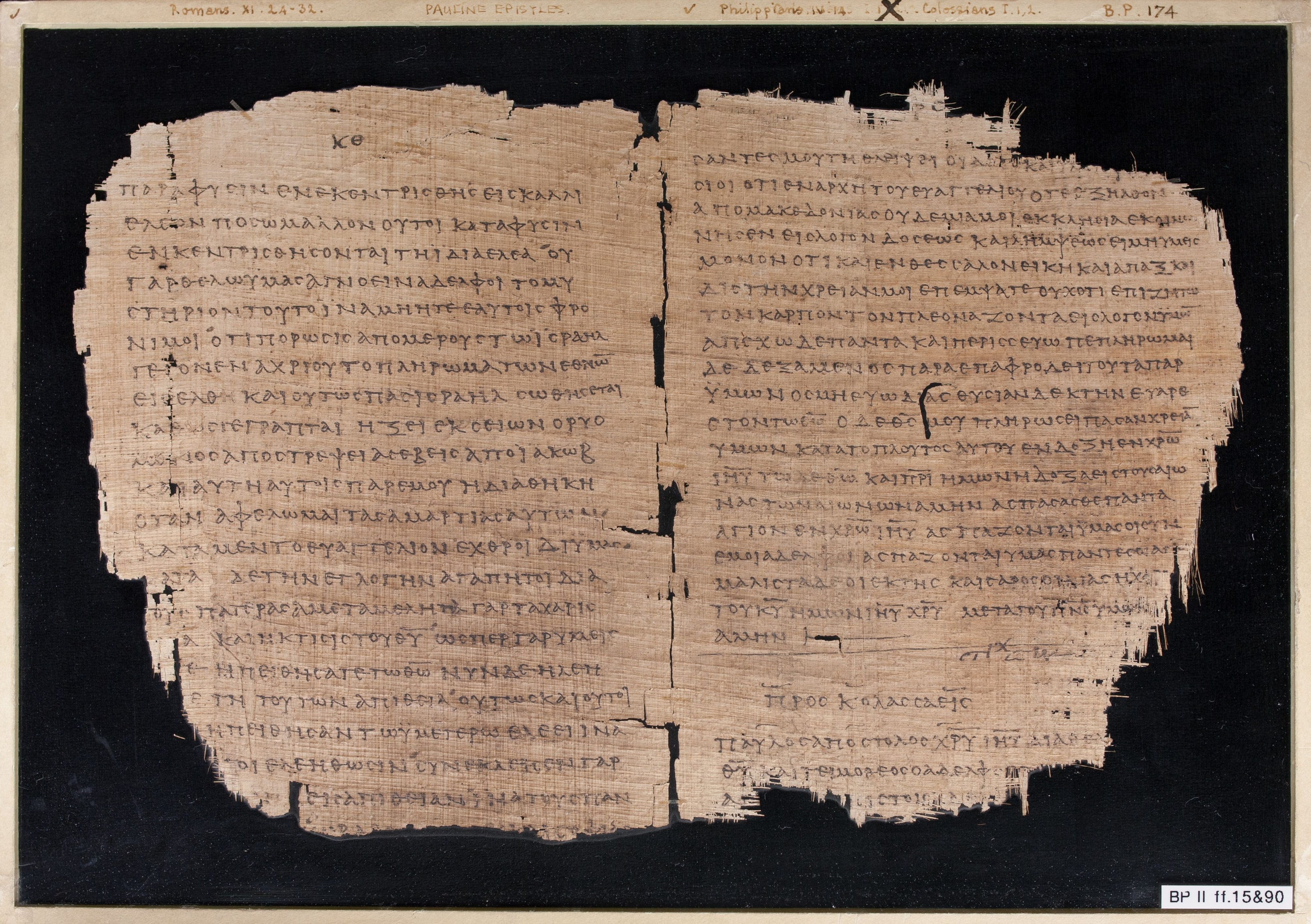
A bifolio from Papyrus 46, the earliest surviving collection of Paul's letters (c. AD 200), Chester Beatty Library, Dublin. The same codex contains 1 Corinthians 15. Image: public domain, via Wikimedia Commons.
See this page's graph and discover linked topics
In full
The content of the gospel is fixed: Christ "died for our sins according to the scriptures... he was buried... he hath been raised on the third day according to the scriptures" (1 Corinthians 15:3-4, ASV), with the call to repent and believe (Mark 1:15). Presentations of it vary; see Gospel for the distinction between the gospel and gospel presentations. When a presentation incorporates apologetic material, the evidence must be stated at the strength the sources support. Overstatement in the supporting claims transfers doubt to the central claim. The common failure points are predictable: misquoting Paul's conditional in 1 Corinthians 15:14-17, blurring the list of witnesses, arguing from the absence of hostile documents, arguing authorship from the absence of rival names, and treating Christianity's growth as proof of its truth. Each has an accurate, stronger replacement.
The shape of a gospel presentation
| Movement | The question it answers | Anchor |
|---|---|---|
| Who Jesus is | Who is this? | The Son of God who "became flesh, and dwelt among us" (John 1:14, ASV) |
| What He did | What happened? | He died for our sins, was buried, and rose on the third day (1 Corinthians 15:3-4) |
| Why we need Him | Why does it matter to me? | "All have sinned, and fall short of the glory of God" (Romans 3:23, ASV); "the wages of sin is death" (Romans 6:23, ASV) |
| How to respond | What do I do? | Repent and believe (Mark 1:15); "whosoever believeth on him should not perish, but have eternal life" (John 3:16, ASV) |
The third movement is the one most often skipped. Forgiveness means little to someone who has not heard why they need it. Purpose and meaning are real benefits of the gospel, but reconciliation with God is its center (2 Corinthians 5:21).
Six accuracy points
1. Paul's "in vain" is about the resurrection
The slip: "If His crucifixion was fake, our preaching is in vain."
What Paul says: "If Christ hath not been raised, then is our preaching vain, your faith also is vain... ye are yet in your sins" (1 Corinthians 15:14, 17, ASV). Paul's conditional hangs on the resurrection, not the crucifixion. Even many skeptics grant that Jesus was crucified. The resurrection is the claim Christianity stakes everything on.
2. Say who saw what, the way Paul says it
The slip: "He was witnessed by over five hundred, including the disciples."
What Paul says: Christ "appeared to Cephas; then to the twelve; then he appeared to above five hundred brethren at once, of whom the greater part remain until now... then he appeared to James; then to all the apostles; and last of all... to me also" (1 Corinthians 15:5-8, ASV). The Twelve and the five hundred are separate entries. And it is Paul who reports the five hundred; we do not have five hundred separate statements. Say "Paul reports that more than five hundred people saw Him at once, most of whom were still alive when he wrote." That is accurate, and it is striking: Paul is inviting his readers to go and ask them.
3. Do not claim there is no document denying the resurrection
The slip: "We have found zero documents saying Jesus did not rise."
Why it backfires: Matthew 28:11-15 itself records a rival story: "His disciples came by night, and stole him away while we slept" (v. 13, ASV), "spread abroad among the Jews... until this day" (v. 15). An argument from silence also proves little, since many ancient objections were never written or did not survive.
The stronger move: use the rival story. The earliest known counter-explanation did not say the body was still in the tomb. It conceded the tomb was empty and tried to explain why. See Stolen Body Hypothesis Defeater.
4. Argue authorship from evidence, not from missing rivals
The slip: "Nobody else ever claimed to write the Gospels."
The stronger move: give the positive evidence. Papias, writing in the early second century and quoted by Eusebius, connects Mark's Gospel with Peter's preaching and speaks of Matthew's collection of the Lord's sayings; Irenaeus names all four authors around AD 180; and the manuscripts show no competing titles. See Papias of Hierapolis and Anonymous Gospels Objection Defeater.
5. Present early testimony as evidence to examine
The slip: "If it were false, people still alive would have exposed it, so it must be true."
The stronger move: Paul's letter was written within about twenty-five years of the crucifixion, and the creed he quotes is earlier still. See Pre-Pauline Creeds. The point is not that a false claim could never survive. It is that Paul made a public claim about named, living witnesses, at a time when it could be checked, and staked the faith on it. Invite the listener to weigh that.
6. Christianity's growth shows its reach, not its truth
The spread of the faith across cultures is remarkable, but a large or growing religion is not thereby true. Rest the case on what happened at the tomb, and let growth illustrate the gospel's power, not prove it.
Tone: invitation, not pressure
- Replace challenges with invitations. Instead of "stop being a skeptic and be a man," say "examine the evidence honestly, and be willing to follow it where it leads." The second is harder to dismiss and closer to 1 Peter 3:15.
- Include yourself. "That willingness matters for every one of us, including those of us who already believe" lowers defenses. See Psychology of Lowered Defenses.
- Keep the language plain. "Became flesh" says what "incarnated in flesh" says, more clearly.
- End with the person, not the argument. Close with the call to repent and trust Christ, and the promise of grace, not with a point won. See Closing Conversations.
A model outline
- Jesus. The Son of God became a man, lived among us, loved sinners and showed us the heart of God.
- Our need. We have all sinned against our Creator and cannot fix that ourselves.
- The cross. Jesus died for our sins so we could be forgiven and reconciled to God.
- The resurrection. He was buried and rose on the third day, defeating death. Paul names the witnesses, most of them still alive when he wrote, and says that if Christ was not raised our faith is empty.
- The invitation. Look at the evidence honestly. Turn to God, trust Jesus, and receive forgiveness and eternal life as a gift of grace. Come as you are, with your questions and your failures.
See also
- Gospel, the message itself and its five-pillar shape
- Evangelism, the hub for sharing the faith in conversation
- Preaching to Non-Believers, the Areopagus pattern for listeners who do not accept Scripture
- Minimal Facts Argument, the historical case behind point 4 of the outline
- Stolen Body Hypothesis Defeater, the earliest rival explanation and why it fails
- Pre-Pauline Creeds, how early the 1 Corinthians 15 tradition is
- Closing Conversations, how to finish a gospel conversation
- Quick Objection Responses, short answers to the objections a presentation raises
Common questions this page answers
Q: What should a gospel presentation include?
Four things: who Jesus is, what He did (died for our sins and rose again), why we need Him (we have sinned and need reconciliation with God), and how to respond (repent and trust Christ). Evidence can support those points, but it should not replace them.
Q: What does 1 Corinthians 15:14 say exactly?
"If Christ hath not been raised, then is our preaching vain, your faith also is vain" (ASV). Paul ties the whole faith to the resurrection, not to the crucifixion, and adds in verse 17 that without it "ye are yet in your sins."
Q: Did more than five hundred people see the risen Jesus?
Paul reports that Jesus "appeared to above five hundred brethren at once, of whom the greater part remain until now" (1 Corinthians 15:6, ASV). He lists them separately from Peter, the Twelve, James and the apostles. We have Paul's report of the appearance, written while most of those witnesses were alive.
Q: Is there any ancient document that denies the resurrection?
Matthew 28:11-15 records the earliest known rival claim, that the disciples stole the body. That story conceded the tomb was empty, which is why it is useful evidence rather than a problem to hide.
Q: How do I share the gospel without sounding pushy?
Invite rather than pressure. Ask the listener to examine the evidence honestly, include yourself in that call, use plain words, and close with the offer of grace rather than with a debating point (1 Peter 3:15).