Concept
Modern Apologists
Christian Apologists, Modern Christian Apologists, Famous Apologists, Modern Apologists Hub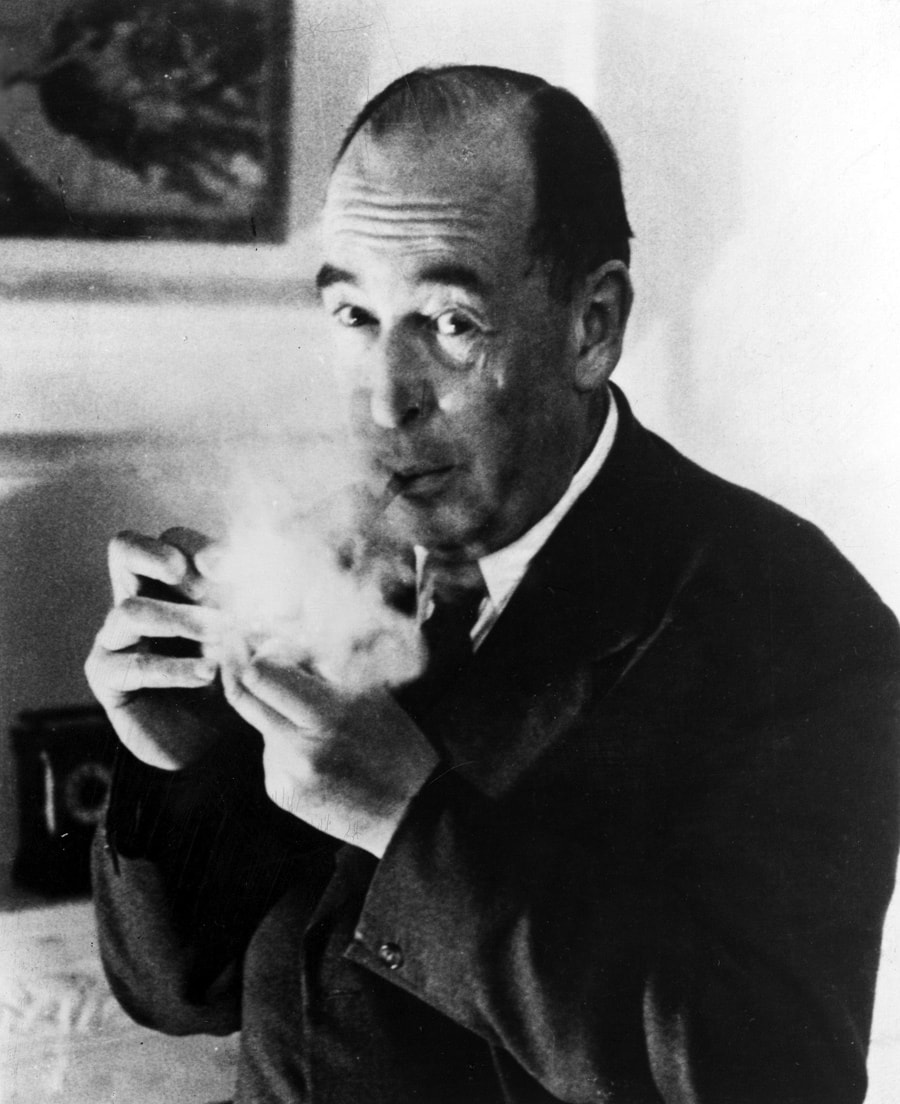
Intro
This page gathers the modern Christian apologists the codex draws on, from C. S. Lewis in the middle of the twentieth century to the debaters, professors and online teachers working today. An apologist is someone who gives a reasoned defense of the Christian faith, following the charge in 1 Peter 3:15 to be ready to give an answer for the hope within.
They matter because they have already done much of the hard work. They have built the arguments, faced the objections in public, and written the books that shaped how Christians defend their faith. Knowing who they are, what each one is best known for, and how their methods differ helps you find the right tool for the conversation in front of you.
They do not all agree. Some start from evidence, some from the preconditions of reason itself, and some from the human longing for meaning. The codex presents each approach in its own terms.
The 30-second version:
Modern apologists give a reasoned defense of the Christian faith. This page collects the ones the codex engages, from C. S. Lewis and the analytic philosophers who revived theism in the academy to presuppositionalists, pastors and online debaters. Knowing what each is best known for, and how their methods differ, helps you pick the right argument for the conversation you are in.
See this page's graph and discover linked topics
In full
Folder hub for the modern apologists in the codex's people layer. Entries are grouped by the kind of work each person does: the twentieth-century pioneers, the scholar-apologists who work at an academic level, the presuppositional school, the pastors and popular communicators, and the independent and online voices. Each line gives a one-sentence orientation drawn from the person's own page.
The main methodological schools appear here side by side. William Lane Craig and Norman Geisler represent the classical approach (natural theology first, then the evidence for Christianity). Gary Habermas represents the evidential approach through his minimal facts method. Alvin Plantinga founded Reformed Epistemology. Cornelius Van Til, Greg Bahnsen and Sye Ten Bruggencate represent Presuppositionalism. The Apologetic Method Comparison sets the schools against each other.
Older defenders of the faith appear elsewhere: the early apologists under Church Fathers, and Christian philosophers such as Blaise Pascal, Richard Swinburne and Edward Feser under Philosophers. Scientists who argue for God, such as Stephen Meyer and Hugh Ross, are under Scientists.
Twentieth-century pioneers
- C.S. Lewis (1898-1963): Oxford and Cambridge medievalist and the most influential popular apologist of the twentieth century, author of Mere Christianity, Miracles and The Problem of Pain.
- Norman Geisler (1932-2019): one of the most prolific evangelical apologists, classical-Thomistic in method and a principal architect of the Chicago Statement on Biblical Inerrancy.
- Ravi Zacharias (1946-2020): founder of RZIM, known for a narrative-rich apologetic of meaning; after his death, investigations documented credible allegations of abuse, which his page addresses directly.
Scholar-apologists
- Alvin Plantinga (b. 1932): the philosopher most responsible for the late twentieth-century revival of theism in academic philosophy, and the founder of Reformed Epistemology.
- John Lennox (b. 1943): Oxford mathematician and frequent debater of the New Atheists, author of God's Undertaker.
- J.P. Moreland (b. 1948): Biola philosopher and leading contemporary defender of substance dualism.
- William Lane Craig (b. 1949): leading modern defender of the Kalam Cosmological Argument, the fine-tuning argument and the case for the resurrection, and founder of ReasonableFaith.org.
- Gary Habermas (b. 1950): leading scholar of the historical evidence for the resurrection and creator of the minimal facts method.
- Victor Reppert (b. 1953): philosopher who gave C. S. Lewis's argument from reason its modern analytic form.
- Paul Copan (b. 1962): Palm Beach Atlantic philosopher best known for defending the Old Testament against charges of divine violence in Is God a Moral Monster?
- Michael Murray (b. 1963): analytic philosopher of religion whose Nature Red in Tooth and Claw is the foundational Christian treatment of animal suffering.
Presuppositional apologists
- Cornelius Van Til (1895-1987): founder of presuppositional apologetics at Westminster, who held that there is no neutral ground between Christian and non-Christian thought.
- Greg Bahnsen (1948-1995): Van Til's most accomplished interpreter and the most effective public user of the Transcendental Argument for God, remembered for the 1985 Bahnsen-Stein debate.
- Sye Ten Bruggencate: Canadian presuppositionalist who popularized a street-level version of the method through ProofThatGodExists.org.
Pastors and popular communicators
- Ray Comfort (b. 1949): street evangelist and founder of Living Waters, known for the conscience-based Way of the Master approach to evangelism.
- Tim Keller (1950-2023): founding pastor of Redeemer Presbyterian in Manhattan, whose The Reason for God is a widely read cultural apologetic.
- Frank Turek: founder of CrossExamined.org, co-author of I Don't Have Enough Faith to Be an Atheist and author of Stealing from God.
- Sean McDowell (b. 1976): Biola professor known for his research on the fate of the apostles and his apologetics for young people.
- Lecrae (b. 1979): Grammy-winning Christian hip-hop artist and a bridge figure between evangelical Christianity and the wider culture.
Independent and online voices
- Avery Austin (God Logic): African-American apologist behind God Logic, known for live public debates with Muslims, Hebrew Israelites, Jehovah's Witnesses and atheists.
- Michael Jones (Inspiring Philosophy): creator of the Inspiring Philosophy channel, known for research-heavy video essays on consciousness, fine-tuning and the resurrection.
- Coty Austin Trout: independent writer whose CAT'S Theory holds that anything that exists needs Pattern, Intent and Presence at once, a triad he argues points to the Trinity.
See also
- Apologetics, the parent hub for the defense of the faith
- Apologetic Method Comparison, how the classical, evidential, presuppositional and Reformed schools differ
- Arguments, the master index of arguments these apologists defend
- Philosophers, including the Christian philosophers outside this folder
- Scientists, including the scientists who argue for God
- Skeptics & Atheists, the critics these apologists have debated
- Church Fathers, the earliest Christian apologists
Common questions this page answers
Q: Who are the most important modern Christian apologists?
C.S. Lewis is the most influential popular apologist of the twentieth century. In academic philosophy, Alvin Plantinga and William Lane Craig lead the field, and Gary Habermas leads on the resurrection. John Lennox is among the best-known public debaters of the New Atheists.
Q: What is a Christian apologist?
A Christian apologist gives a reasoned defense of the faith. The word comes from the Greek apologia, a defense, used in 1 Peter 3:15. See Apologetics for the discipline as a whole.
Q: What are the main schools of Christian apologetics?
Classical apologetics, represented by William Lane Craig and Norman Geisler, argues for God first and then for Christianity. Evidential apologetics, represented by Gary Habermas, starts with historical evidence. Presuppositionalism, represented by Cornelius Van Til and Greg Bahnsen, argues from the preconditions of reason. Reformed Epistemology, founded by Alvin Plantinga, holds that belief in God can be rational without argument. The Apologetic Method Comparison covers them all.
Q: Which apologist should I read first?
Many readers start with C.S. Lewis's Mere Christianity for its clarity. For the main arguments for God, William Lane Craig's work and Frank Turek's I Don't Have Enough Faith to Be an Atheist are common next steps. For the resurrection, start with Gary Habermas.
Q: How should Christians think about Ravi Zacharias today?
The codex records both his apologetic work and the credible allegations of abuse documented after his death. His arguments stand or fall on their own merits, and the church bears responsibility for the failure of accountability. His page covers both.
Q: What is presuppositional apologetics?
It is the school founded by Cornelius Van Til and carried into public debate by Greg Bahnsen and Sye Ten Bruggencate. It holds that logic, science and morality only make sense if the God of the Bible exists, and presses the unbeliever to account for them. See Presuppositionalism and the Transcendental Argument for God.